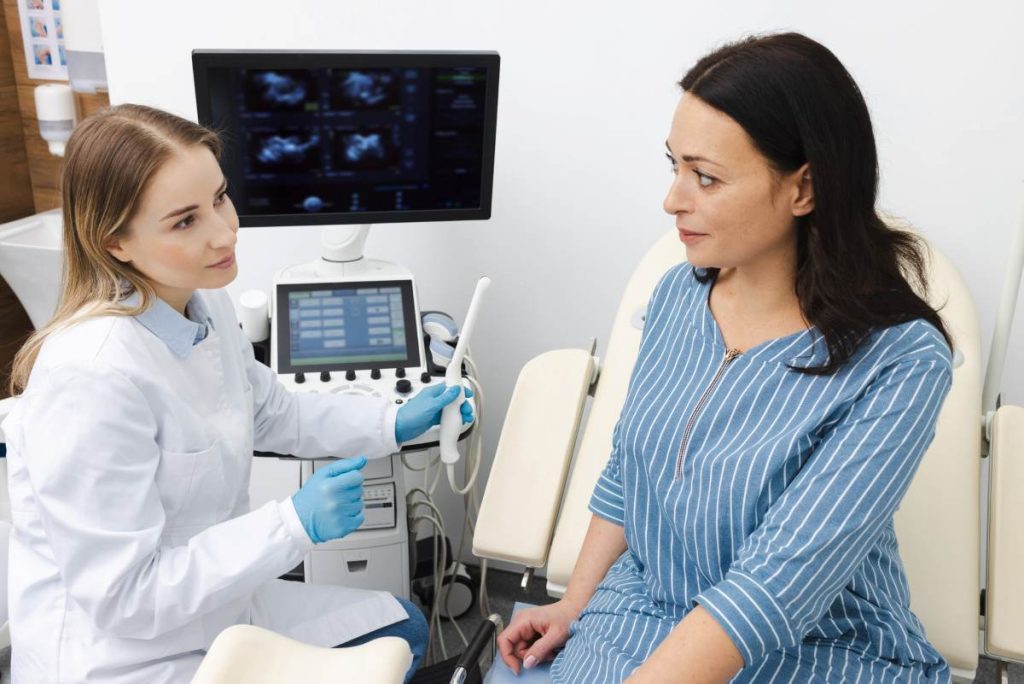


Being told something isn’t right with your reproductive health is frightening enough. Being left uncertain about whether the diagnosis or treatment plan you’ve been given is actually the right one adds a layer of anxiety that can be genuinely hard to carry. If you’re sitting with a gynaecological diagnosis that doesn’t feel complete, or a treatment recommendation that hasn’t quite landed, what you’re feeling isn’t paranoia. It’s a reasonable response to an uncertain situation, and seeking a second opinion is one of the most legitimate things you can do about it.
There’s a persistent cultural discomfort around the idea of questioning a doctor. It can feel disloyal, presumptuous, or like you’re accusing someone of getting it wrong. None of that is true. Second opinions are a normal and encouraged part of healthcare, particularly in gynaecology, where conditions are frequently complex, symptoms overlap, and treatment pathways involve decisions that will affect your life significantly.
What Gynaecological Conditions Most Often Warrant A Second Opinion?
Some diagnoses carry enough complexity or life-altering consequences that a second perspective isn’t just reasonable – it’s genuinely advisable. Endometriosis is one of the most frequently misdiagnosed conditions in women’s medicine; it takes an average of eight years to diagnose in the UK, and initial assessments are often incomplete or missed entirely. If you’ve been told your symptoms are likely something else, or you’ve been given a diagnosis of endometriosis without a clear treatment plan, a second opinion from a specialist is worth pursuing.
Fibroids, polycystic ovary syndrome (PCOS), and ovarian cysts all present with symptoms that vary significantly between individuals and require treatment plans that should be tailored accordingly. If you’ve been offered a standard treatment that doesn’t feel right for your circumstances, another consultant’s view of your specific case may open different options.
For anything involving a cancer diagnosis or a recommendation for major surgery, you don’t need a million reasons to see a gynaecologist. In these kinds of situations, a second opinion is standard practice in good medicine. No responsible consultant would object to you seeking one.
What Are The Signs That Your Current Care Isn’t Meeting Your Needs?
Sometimes the issue isn’t the diagnosis itself but the experience of receiving care. If you’ve left appointments feeling unheard, if your symptoms have been minimised or attributed to anxiety without proper investigation, or if you’ve asked questions and received answers that didn’t satisfy your genuine concerns, these are meaningful signals.
Women are statistically more likely than men to have physical symptoms attributed to psychological causes, and gynaecological symptoms in particular are frequently under-investigated. Chronic pelvic pain, for instance, is a complex condition with multiple potential causes, and it is sometimes dismissed in ways that delay diagnosis and treatment by years.
You also don’t need a dramatic reason to seek a second opinion. If something hasn’t been explained clearly enough for you to feel confident about a decision, that’s reason enough. Understanding your own care is a right, not a privilege.
How Do You Go About Seeking A Second Opinion?

The process is more straightforward than most people fear. You can ask your GP to refer you to a different specialist, or you can self-refer to a private gynaecologist directly. In the NHS, you have the right to request a referral to another consultant, though waiting times can make this slow if your situation is time-sensitive.
Privately, the process is considerably faster. You book directly, bring whatever documentation you have from your current care – test results, imaging, previous clinic letters – and have a fresh consultation with a different specialist who can review your case with new eyes. There’s no requirement to justify yourself or explain why you’re seeking another view. Consultants working in this area understand that this is a normal part of how people navigate complex diagnoses.
It helps to be prepared. Make a list of your symptoms in chronological order, note what has and hasn’t worked in terms of any treatment you’ve had, and write down the specific questions you want answered. A second opinion is most useful when you arrive knowing what you’re trying to clarify.
Does Seeking A Second Opinion Mean Abandoning Your Current Doctor?
No, and this is the misconception that holds more people back than almost anything else. Seeking a second opinion doesn’t end your relationship with your current clinician. Many people take a second view, return to their original consultant with new information, and find that the conversation changes productively as a result. In some cases, the second opinion confirms the original diagnosis and you’re left more confident in the treatment plan you were already on. That confidence has real value.
What it does mean is that you’re taking an active role in your own healthcare. That’s not difficult, and it’s not disrespectful. It’s the appropriate response to a situation where the stakes are high enough to warrant certainty.
When Is A Second Opinion Urgent?
If you’ve been given a diagnosis of cancer or a condition with a rapid progression, time matters. Don’t spend weeks deliberating. Most private gynaecology clinics offer same-day or next-day appointments, which means you can have a second perspective quickly without that delay affecting your treatment.
Similarly, if you’re experiencing escalating symptoms while awaiting a diagnosis or treatment, don’t wait for an NHS appointment slot to become available if that wait is weeks away. The option to access private consultations for women’s health exists precisely for situations where waiting is not a neutral act.
How Grosvenor Gardens Healthcare Can Help
At Grosvenor Gardens Healthcare, their consultants come from the UK’s foremost NHS teaching hospitals and bring that same level of expertise to a private setting where the pace and personalisation of care are fundamentally different. Clinics in Belgravia and Dulwich offer same-day appointments, on-site diagnostics, and the option to see a female gynaecologist if that matters to you.
If you’re carrying uncertainty about a diagnosis or treatment plan, that uncertainty deserves a proper answer. Book a consultation with Grosvenor Gardens Healthcare and approach your health with the clarity you deserve.
FAQs
Is it rude or disloyal to seek a second opinion from a gynaecologist?
Not at all. Second opinions are a well-established and encouraged part of good medical practice. Consultants who are confident in their assessments welcome a second view because it either confirms their diagnosis or introduces information that improves your care. What matters is your health, and any practitioner who discourages a second opinion is the exception rather than the rule.
Do I need a referral to get a second gynaecological opinion privately?
No. Private gynaecology clinics accept direct self-referrals without a GP letter, though bringing any existing medical records, test results, or imaging from your current care will make the consultation considerably more useful. The more information a new consultant has access to, the more precise their assessment can be.
Will my NHS consultant know if I see someone privately for a second opinion?
Not unless you tell them, or unless the private consultant writes to them with your permission. You’re under no obligation to disclose that you’ve sought another view. Many people do choose to share the outcome of a second opinion with their original consultant, particularly when it adds useful information to the conversation.
What should I bring to a second opinion appointment?
Bring everything you have: clinic letters, test results, scan reports, a list of your symptoms and when they started, any medications you’ve been prescribed, and a written list of questions you want answered. Don’t rely on memory for details; having everything documented ensures the consultation covers what you actually need it to cover.
Can a second opinion change my diagnosis entirely?
Yes. This happens, and when it does, it is almost always a good thing. A different consultant may identify something that was missed, interpret existing test results differently, or recommend investigations that weren’t previously carried out. It doesn’t mean the first clinician was negligent; it means that medicine involves judgement, and two experienced clinicians can reach different conclusions from the same starting information.