

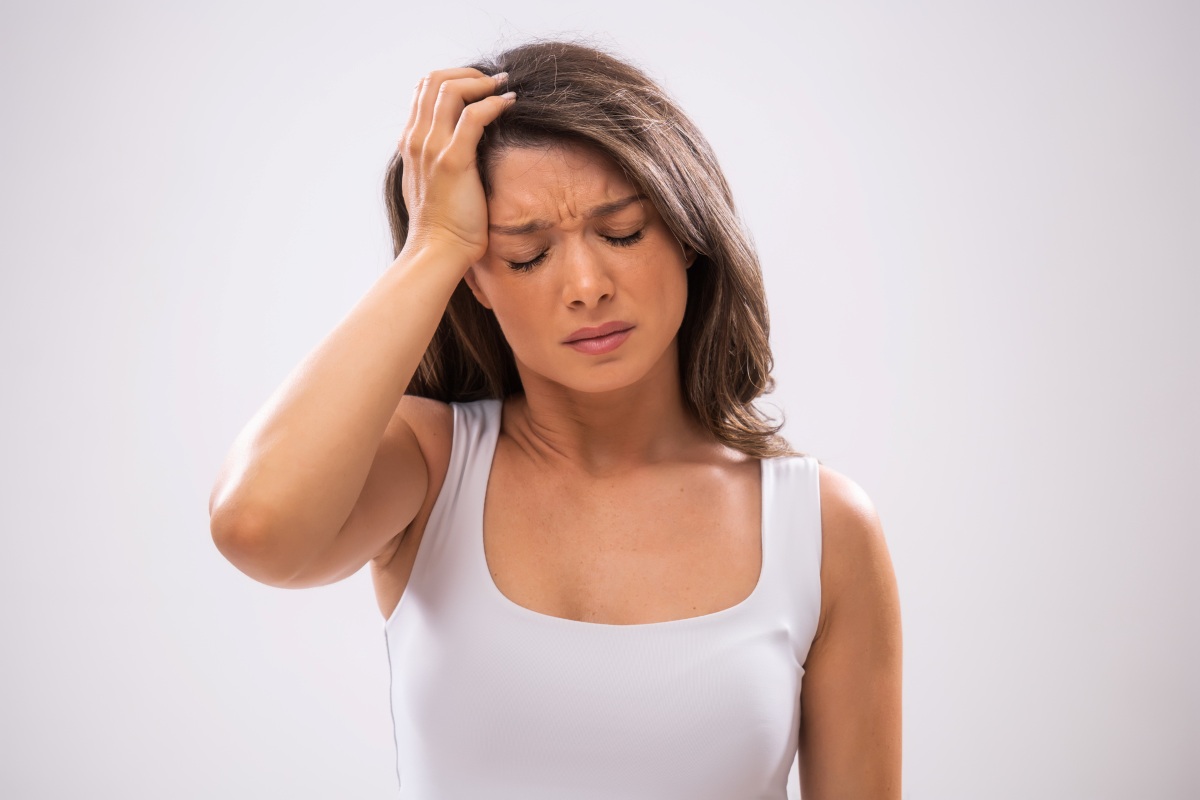
It’s one of the most common questions gynaecologists hear: can stress delay your period? The short answer is yes – absolutely. But how it happens, and how long the delay might last, depends on your body, your hormones, and the level of stress you’re experiencing.
Whether it’s work pressure, emotional upheaval, or simply the pace of daily life, stress doesn’t just affect your mind – it has a profound impact on your body too, especially your menstrual cycle. Let’s explore why this happens, how to recognise it, and what you can do to bring your body back into balance.
How Stress Affects the Menstrual Cycle
Your menstrual cycle is controlled by a delicate interplay of hormones – primarily oestrogen, progesterone, follicle-stimulating hormone (FSH), and luteinising hormone (LH). These are regulated by the hypothalamus, a small but powerful part of your brain that acts like the command centre for many bodily functions.
When you’re under stress, the hypothalamus releases corticotropin-releasing hormone (CRH), which triggers a cascade: your adrenal glands produce cortisol, the “stress hormone.” Elevated cortisol levels interfere with the normal balance of reproductive hormones, potentially suppressing ovulation.
Without ovulation, your body doesn’t experience the usual rise and fall of hormones needed for menstruation – resulting in a delayed or missed period.
What Kind of Stress Can Cause a Delay?
Stress isn’t always dramatic or obvious. It can build quietly over time. The body doesn’t distinguish between types of stress – whether emotional, physical, or psychological, it all activates the same response.
Common examples include:
- Work or academic pressure: Long hours, tight deadlines, or burnout.
- Major life changes: Moving house, changing jobs, or relationship difficulties.
- Emotional strain: Grief, anxiety, or depression.
- Physical stress: Illness, surgery, or even intense exercise.
- Lifestyle factors: Poor sleep, excessive caffeine, or skipping meals.
Even a positive life event – like a wedding or relocation – can be stressful enough to disrupt your cycle temporarily.
How Long Can Stress Delay Your Period?
For most women, mild stress might delay a period by a few days. But during periods of intense or prolonged stress, the delay can extend to a week or even several weeks.
If your period is more than 10 days late and you’ve ruled out pregnancy, it’s worth monitoring your symptoms. Persistent delays or missed periods over several cycles could suggest that stress has shifted your hormone balance more significantly, or that another medical condition is involved.
If your cycle stops completely for more than three months, this is known as secondary amenorrhoea, and it’s important to seek medical advice.
Signs Stress Might Be Affecting Your Period
It’s not always easy to connect stress and menstrual changes, but your body often sends clues. Look out for:
- Longer or shorter cycles than usual
- Lighter or heavier bleeding than your norm
- Missed or skipped periods
- Increased premenstrual symptoms like mood swings or bloating
- Fatigue, headaches, or poor sleep
Many women also notice changes in appetite, energy levels, or skin condition – all signs that cortisol may be influencing broader hormone regulation.
The Science: Why Cortisol Plays a Central Role
Cortisol helps your body respond to stress, but when it stays high for too long, it diverts energy away from non-essential functions – like reproduction.
Evolutionarily, this made sense: in times of perceived danger or scarcity, pregnancy would be a risk. Today, though, the same mechanism can be triggered by a busy inbox or financial worry.
High cortisol can:
- Suppress the release of gonadotropin-releasing hormone (GnRH), which controls ovulation.
- Reduce levels of oestrogen and progesterone.
- Delay or completely halt your period temporarily.
Once stress levels lower and cortisol stabilises, your hormones usually rebalance – and your next cycle often resumes normally.
How to Manage Stress and Support a Regular Cycle

1. Prioritise Rest and Sleep
Quality sleep regulates cortisol, balances hormones, and helps your body repair. Aim for 7–9 hours per night and maintain consistent bedtime routines.
2. Eat Balanced, Nutrient-Rich Meals
Low-calorie diets or erratic eating patterns can add physical stress. Focus on whole foods – lean proteins, leafy greens, whole grains, and omega-3 fats – to nourish your endocrine system.
3. Stay Active (Without Overdoing It)
Moderate exercise such as walking, yoga, or swimming can lower stress hormones and promote hormonal stability. Avoid overtraining, which can have the opposite effect.
4. Try Relaxation Techniques
Mindfulness, deep breathing, or meditation can genuinely lower cortisol. Even ten minutes of daily calm can make a measurable difference.
5. Seek Emotional Support
Don’t underestimate the power of talking. Whether through friends, counselling, or support groups, expressing how you feel reduces psychological strain.
6. Track Your Cycle
Use an app or journal to record your symptoms, emotions, and cycle length. Over time, patterns can reveal whether stress or lifestyle factors are consistently affecting your periods.
When to See a Gynaecologist
A single delayed period due to stress isn’t usually a cause for concern. But if delays become regular or are accompanied by other symptoms – such as pelvic pain, unusually heavy bleeding, or complete absence of periods – it’s important to get checked.
A gynaecologist may recommend blood tests to assess hormone levels, thyroid function, or reproductive health. They’ll also help you rule out conditions like polycystic ovary syndrome (PCOS) or thyroid disorders, which can mimic stress-related irregularities.
Our clinic offering personalised women’s health services provides comprehensive evaluations and compassionate care to help you understand your cycle and restore balance safely.
You might also find it helpful to prepare a few questions to ask your gynaecologist before your appointment, so you can make the most of your consultation.
Can Stress Cause Other Menstrual Symptoms?
Yes – beyond delaying your period, stress can make your symptoms more intense. Some women experience stronger cramps, mood swings, or breast tenderness during times of chronic stress. Others notice spotting between periods or heavier bleeding once menstruation resumes.
This happens because hormone fluctuations become more erratic, making your body’s responses less predictable.
Final Thoughts
So, can stress delay your period? Definitely – but it’s also reversible. Once stress levels drop and your body regains hormonal balance, your menstrual cycle typically returns to its normal rhythm.
That said, consistent delays, missed periods, or accompanying symptoms like fatigue or pain shouldn’t be ignored. Your menstrual cycle is a vital sign of overall health – and understanding its patterns helps you respond proactively when things change.
If you’re concerned that stress may be affecting your periods, the specialists at Grosvenor Gardens Healthcare can provide expert assessment and guidance. From hormonal testing to lifestyle support, we’re here to help you feel balanced, informed, and back in tune with your body.