

Experiencing bleeding or unexpected symptoms in early pregnancy can be worrying, and it’s natural to wonder what’s normal and what might be a sign of something more serious.
An early miscarriage – sometimes called a first-trimester miscarriage – is when pregnancy loss occurs before 12 weeks. Sadly, it’s more common than many people realise, affecting around one in five known pregnancies. Yet because it often happens early, some women may not even know they were pregnant.
Understanding the signs of early miscarriage can help you recognise when to seek medical advice. But it’s equally important to remember: in most cases, miscarriages are not caused by anything you did or didn’t do. They’re usually due to natural chromosomal changes that occur during early development.
Let’s look at what symptoms to watch for, when to get checked, and how support and care can help you move forward safely and compassionately.
What Is an Early Miscarriage?
An early miscarriage refers to pregnancy loss before 12 weeks of gestation. It can happen for various reasons, but in most cases, it’s due to the embryo not developing normally – often because of a genetic or chromosomal abnormality that prevents proper growth.
While distressing, early miscarriage is not a sign that you can’t have a healthy pregnancy in the future. Most women who experience one go on to have successful pregnancies later on.
There are different types of early miscarriage, including:
- Complete miscarriage: when all pregnancy tissue passes naturally.
- Incomplete miscarriage: when some tissue remains in the womb, requiring medical management.
- Missed miscarriage: when the pregnancy stops developing, but symptoms of miscarriage (like bleeding) may not appear immediately.
Common Signs and Symptoms of Early Miscarriage
Every woman’s experience is slightly different, but the most common early miscarriage symptoms include:
1. Vaginal Bleeding
This is usually the first noticeable sign. Bleeding may range from light spotting to heavier flow with clots. Some spotting can occur in normal pregnancies, especially around implantation – but if bleeding becomes heavier, lasts several days, or includes tissue, you should contact your doctor or early pregnancy unit.
2. Cramping or Abdominal Pain
Pain may feel like period cramps or lower backache, sometimes more intense. The discomfort often occurs in the lower abdomen and may come in waves as the uterus contracts to expel tissue.
3. Loss of Pregnancy Symptoms
You might notice that symptoms such as nausea, breast tenderness, or fatigue suddenly disappear. While this can happen naturally as hormone levels fluctuate, a rapid loss of symptoms accompanied by other changes may signal an early miscarriage.
4. Passing Tissue or Fluid
Some women notice tissue or fluid passing from the vagina. It can look like small clots, greyish material, or thicker discharge. This is a clear sign to seek medical assessment.
5. Lower Back Pain or Pelvic Pressure
Dull or sharp pain in the lower back or pelvis can sometimes occur as part of the body’s response to miscarriage.
It’s important to note that mild spotting and mild cramps can also occur in healthy early pregnancies – especially around the time of implantation or after physical activity. If you’re ever uncertain, it’s always best to get checked rather than worry.
When to Seek Medical Advice
You should contact your GP, midwife, or local early pregnancy assessment unit (EPAU) if you:
- Experience bleeding that is heavier than a period.
- Pass tissue or clots.
- Have persistent cramping or severe pain.
- Notice a sudden stop in pregnancy symptoms.
If you experience heavy bleeding (soaking more than one pad an hour), severe pain, fever, or dizziness, seek emergency medical attention immediately.
Your healthcare provider can arrange an ultrasound scan and blood tests to check whether the pregnancy is continuing normally or if a miscarriage has occurred.
At Grosvenor Gardens Healthcare, our team provides specialist support for pregnancy and maternal care, including early pregnancy scans and follow-up consultations in a calm, private environment.
How Is an Early Miscarriage Diagnosed?
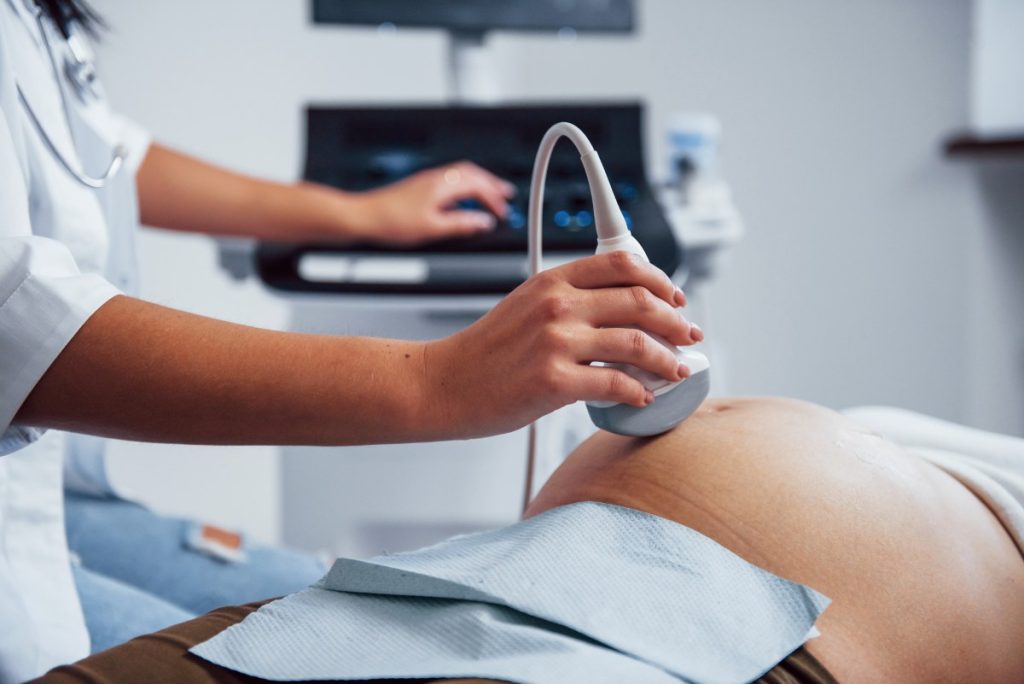
Diagnosis usually involves:
- Ultrasound scan: to check if there’s a visible pregnancy and heartbeat.
- Blood tests: to measure pregnancy hormone levels (hCG) over time.
- Physical examination: occasionally, to assess cervical or uterine changes.
Sometimes, the diagnosis isn’t immediate – you may be asked to return for a repeat scan after a few days to confirm whether the pregnancy is progressing.
What Happens After a Miscarriage?
Depending on the circumstances, there are a few options for managing an early miscarriage:
- Expectant management: allowing the miscarriage to complete naturally.
- Medical management: medication to help the uterus empty more quickly.
- Surgical management: a short procedure to remove remaining tissue if necessary.
Your care team will discuss which option is safest and most appropriate for you. Physically, recovery often takes one to two weeks. Emotionally, it may take much longer – and that’s completely normal.
Emotional and Physical Recovery
The emotional impact of miscarriage can be profound, even if the pregnancy was early. Grief, sadness, guilt, or confusion are common reactions. It’s important to give yourself time and seek support if you need it.
Try to:
- Rest as much as your body needs.
- Eat nourishing meals and stay hydrated.
- Avoid strenuous activity or sexual intercourse until bleeding stops.
- Talk to someone you trust – a partner, friend, counsellor, or support group.
Your next menstrual period usually returns within 4–6 weeks. If it doesn’t, or if bleeding persists for longer than two weeks, follow up with your healthcare provider.
If you’ve experienced more than one miscarriage, your doctor may recommend further investigations for underlying causes, such as hormonal, anatomical, or autoimmune factors. You can read more about these in our article on what is secondary infertility.
Can You Get Pregnant Again After a Miscarriage?
Yes – many women conceive successfully after a miscarriage. Fertility can return quickly, often within two to three weeks. However, it’s best to wait until you feel physically and emotionally ready before trying again.
Your doctor may suggest waiting until after your first normal period to help with accurate dating of a future pregnancy.
When to Seek Specialist Care
If you’ve had two or more miscarriages in a row, or if you’re struggling emotionally after your loss, you should seek further assessment and support.
At Grosvenor Gardens Healthcare, our specialist obstetricians and gynaecologists provide compassionate care for women experiencing early pregnancy complications. From early scans to emotional and medical follow-up, our approach prioritises safety, clarity, and support.
Our specialist support for pregnancy and maternal care helps ensure that any future pregnancies are monitored closely and that you have access to the expertise and reassurance you deserve.
Final Thoughts
Recognising the signs of early miscarriage can help you seek timely care – but it’s equally important to remember that you are not alone, and you are not to blame.
Early miscarriage is a heartbreaking but often natural event. With the right medical attention and emotional support, recovery is absolutely possible, both physically and emotionally.
If you’re worried about symptoms or have experienced a pregnancy loss, our team is here to provide compassionate guidance, early scans, and ongoing care tailored to your needs.