

Both endometriosis and PCOS (polycystic ovary syndrome) cause painful periods, mess with your fertility, and generally make life difficult. And because they share some overlapping symptoms, they’re often confused with each other – sometimes even by medical professionals who should know better.
But they’re fundamentally different conditions with different causes, different treatments, and different long-term implications. Understanding which one you’re dealing with (or whether you’ve got both, which is possible) matters enormously for getting the right treatment.
What Actually Happens In Each Condition
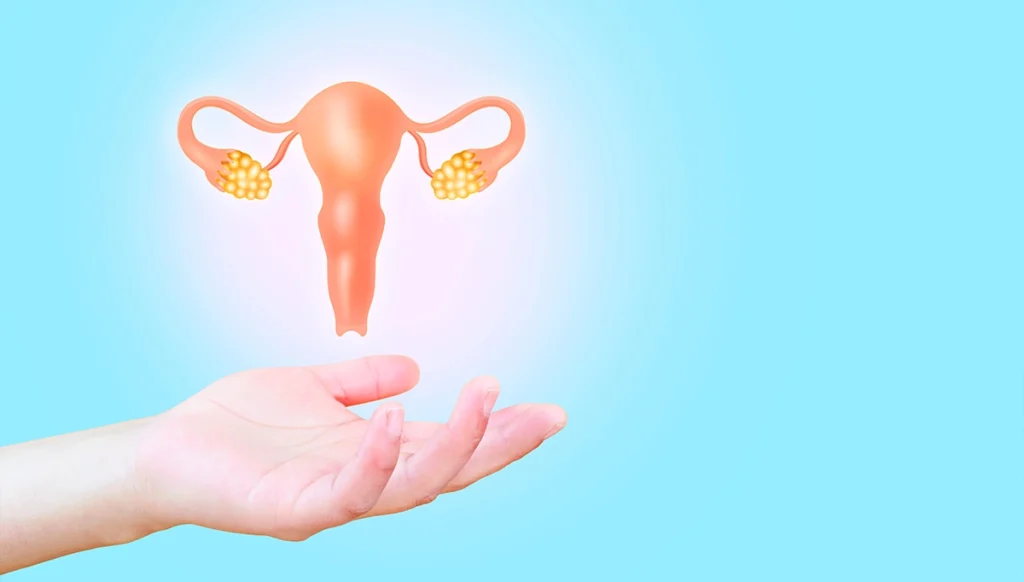
Endometriosis occurs when tissue similar to the lining of your uterus grows outside the uterus – on your ovaries, fallopian tubes, bowel, bladder, or other pelvic structures. This tissue still responds to your menstrual cycle hormones, thickening and bleeding each month, but it’s got nowhere to go. The result is inflammation, scarring, adhesions, and often excruciating pain.
PCOS is a hormonal and metabolic disorder. Your ovaries produce excess androgens (male hormones), which interfere with normal ovulation. Small cysts (actually immature follicles that haven’t developed properly) accumulate on the ovaries. But despite the name, the cysts themselves aren’t really the problem – it’s the underlying hormonal imbalance driving everything.
The fundamental difference: endometriosis is primarily a structural/anatomical problem where tissue grows in the wrong places. PCOS is primarily a hormonal/metabolic problem affecting how your ovaries function.
The Symptoms That Overlap
This is where confusion creeps in because both conditions can cause:
- Irregular or painful periods
- Fertility problems
- Pelvic pain
- Fatigue
- Depression or anxiety (partly from living with chronic symptoms)
If you walked into a GP’s office complaining about painful irregular periods and difficulty conceiving, both conditions would potentially be on the differential diagnosis list.
The Symptoms That Don’t Overlap
Here’s where they diverge significantly.
Endometriosis-specific symptoms:
- Pain that’s often cyclical, worsening during your period
- Pain during or after sex (deep pelvic pain, not just surface discomfort)
- Pain when using the toilet, particularly during periods
- Heavy periods with clots
- Pain that can occur outside your pelvis if endometriosis has spread to bowel, bladder, or other areas
- Symptoms that track closely with your menstrual cycle
The pain with endometriosis tends to be the dominant feature. It’s often described as severe cramping, stabbing, or burning pain that pain relievers barely touch. Some women with endometriosis have relatively mild symptoms, but many describe pain that’s debilitating enough to affect work, relationships, and daily functioning.
PCOS-specific symptoms:
- Irregular or absent periods (going months without a period)
- Excess hair growth on face, chest, or back (hirsutism)
- Acne, particularly along the jawline and chin
- Thinning hair on the scalp
- Weight gain, particularly around the abdomen, and difficulty losing weight
- Darkened skin patches, particularly in body folds
- Skin tags
- Insulin resistance and increased risk of type 2 diabetes
PCOS symptoms reflect the hormonal imbalance – excess androgens cause the hair growth and acne, whilst insulin resistance contributes to weight issues and metabolic problems.
How They’re Diagnosed
Endometriosis is notoriously difficult to diagnose definitively. The only way to be absolutely certain is through laparoscopic surgery where a surgeon can actually see the endometrial tissue growing outside your uterus and ideally take biopsies.
Ultrasounds and MRI scans can sometimes detect endometriomas (endometriosis cysts on ovaries) or severe adhesions, but they’ll miss mild to moderate endometriosis. Blood tests aren’t diagnostic for endometriosis.
This creates a frustrating situation where many women go years – often 7-10 years on average – before getting a proper diagnosis. They’re told their period pain is normal, that they’re exaggerating, or that it’s just stress. Understanding severe period pain helps distinguish between normal discomfort and symptoms that warrant further investigation.
PCOS is diagnosed using the Rotterdam criteria. You need two out of three of the following:
- Irregular or absent ovulation (shown by irregular periods)
- Clinical or biochemical signs of excess androgens (excessive hair growth, acne, or elevated androgen levels on blood tests)
- Polycystic ovaries visible on ultrasound (12 or more small follicles in each ovary)
PCOS is generally easier to diagnose than endometriosis because it shows up on blood tests (elevated androgens, often abnormal insulin levels) and ultrasound. You don’t need surgery for diagnosis.
Treatment Approaches

This is where the conditions really diverge.
Endometriosis treatment focuses on managing pain and preserving fertility:
- Pain management: NSAIDs, stronger pain medication when needed
- Hormonal treatments: Combined pill, progestogen-only pill, or intrauterine systems (like Mirena) to suppress menstruation and reduce endometrial tissue growth
- GnRH agonists: These create a temporary menopause state to stop periods entirely, giving endometriosis a chance to shrink
- Surgery: Laparoscopic excision or ablation to remove endometrial tissue – this can provide significant relief but endometriosis often recurs
- In severe cases affecting fertility: IVF may be necessary
The challenge with endometriosis is that there’s no cure. Treatment manages symptoms and tries to slow progression, but the condition often returns after treatment stops.
PCOS treatment focuses on managing symptoms and reducing long-term health risks:
- Lifestyle modifications: Weight loss (even 5-10% of body weight) can significantly improve symptoms for many women
- Hormonal contraception: Regulates periods and reduces androgen-related symptoms like acne and excess hair
- Metformin: Improves insulin sensitivity, can help regulate periods and support weight management
- Anti-androgen medications: Spironolactone or similar drugs to reduce hair growth and acne
- For fertility: Ovulation induction medications like clomifene or letrozole
- Managing long-term risks: Monitoring for diabetes, cardiovascular issues, and endometrial cancer risk
PCOS is more manageable long-term with the right combination of lifestyle changes and medication, though it’s also a lifelong condition without a cure.
Fertility Implications
Both conditions affect fertility, but differently.
Endometriosis can cause fertility problems through:
- Scarring and adhesions that physically block fallopian tubes
- Inflammation that interferes with egg quality or implantation
- Endometriomas damaging ovarian tissue
- Altered pelvic anatomy making it harder for egg and sperm to meet
Many women with endometriosis can still conceive naturally, particularly with milder disease. Others need fertility treatment. Surgical removal of endometriosis can improve fertility chances in some cases.
PCOS affects fertility primarily through:
- Irregular or absent ovulation (you can’t get pregnant if you’re not releasing eggs)
- Hormonal imbalances affecting egg quality
- Insulin resistance potentially impacting implantation
The good news is that PCOS-related infertility often responds well to ovulation induction medications. Many women with PCOS successfully conceive with relatively straightforward fertility treatment.
Can You Have Both?
Yes, unfortunately. They’re separate conditions with different underlying causes, so having one doesn’t protect you from developing the other.
Having both creates a more complex treatment picture because some treatments that help one condition might not be ideal for the other. For instance, hormonal contraception helps both conditions, but if you’re trying to conceive, you need different approaches.
If you’ve been diagnosed with one condition but your symptoms don’t quite fit, or treatment isn’t helping as expected, it’s worth investigating whether the other condition might also be present.
Getting The Right Diagnosis
If you’re experiencing painful periods, irregular cycles, or fertility issues, don’t accept “it’s just bad periods” as an explanation.
Track your symptoms carefully: when pain occurs, how severe it is, what other symptoms accompany it, how it relates to your menstrual cycle. This information helps doctors distinguish between conditions.
Push for proper investigation if your symptoms are significantly affecting your quality of life. Blood tests checking hormone levels, pelvic ultrasound, and potentially referral to a gynaecologist for further assessment can clarify what’s actually going on.
For comprehensive services for reproductive wellbeing, Grosvenor Gardens Healthcare provides thorough diagnostic workups that look at the full picture rather than just treating surface symptoms.
Both endometriosis and PCOS are real, often debilitating conditions that deserve proper medical attention and treatment. They’re not “just bad periods” or something you need to just put up with. Understanding which condition you’re dealing with – or whether you’ve got both – is the first step toward getting effective treatment and improving your quality of life.