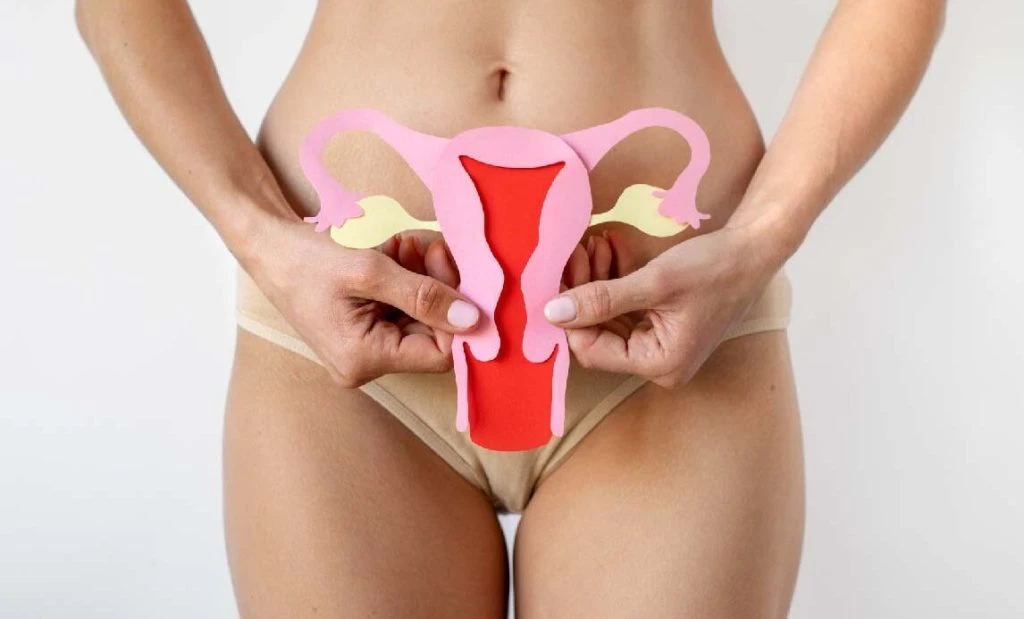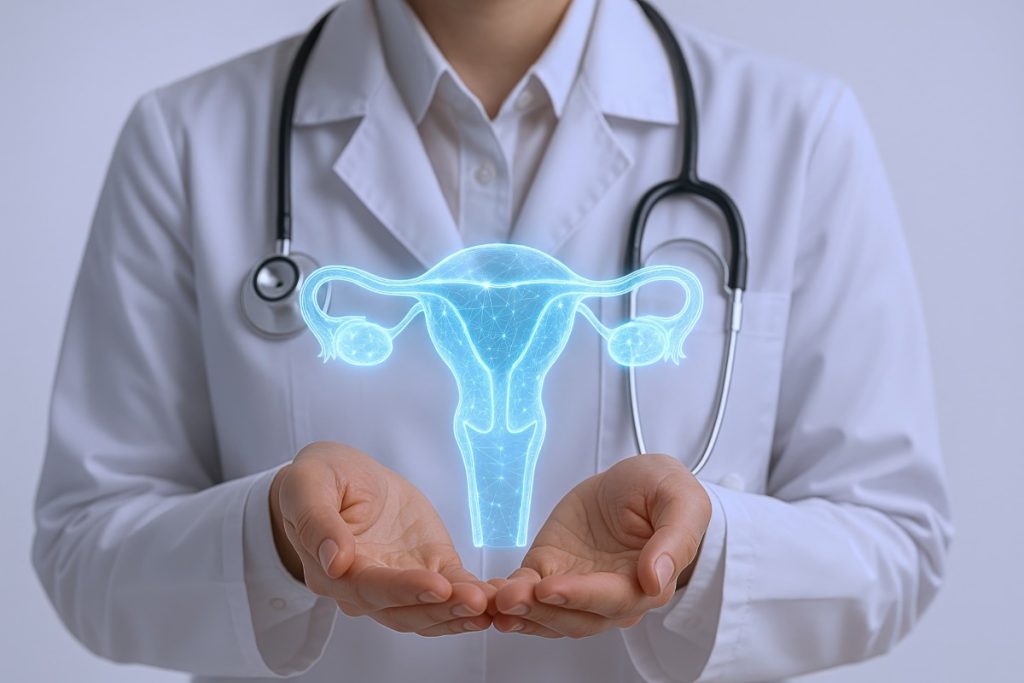

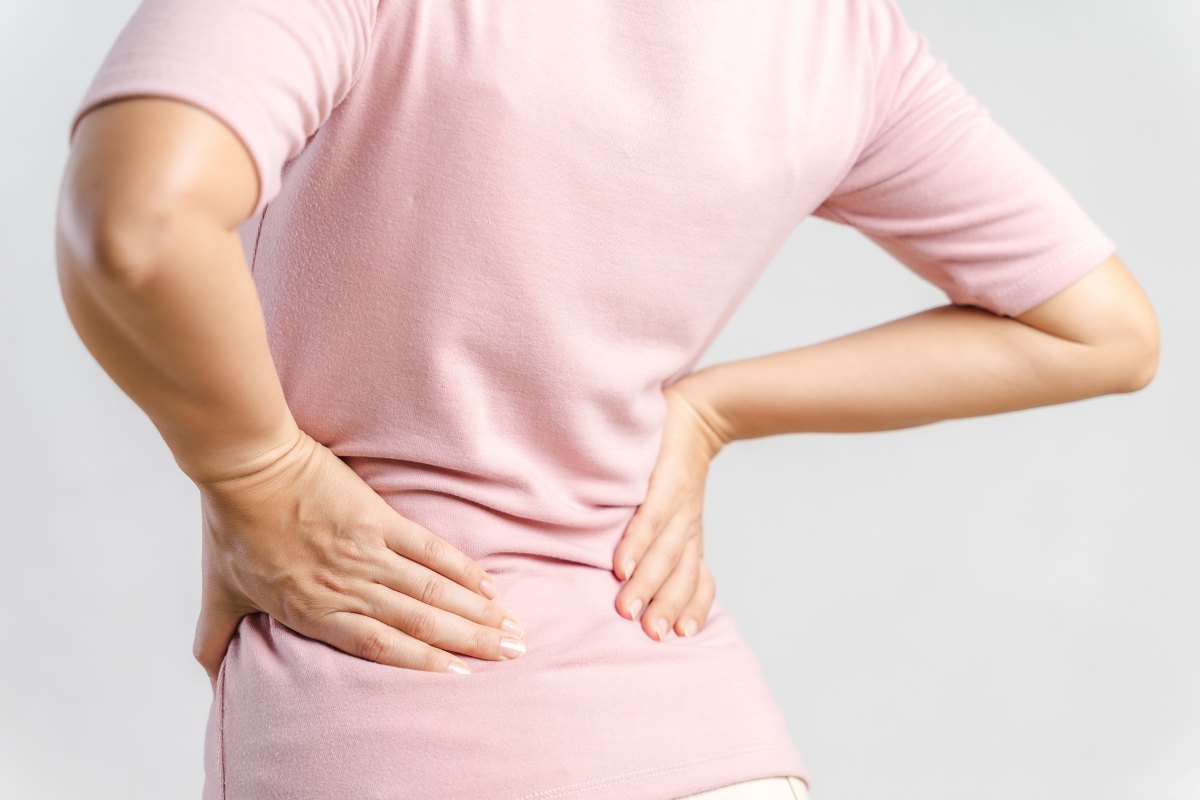
If you’ve been living with lower back pain that doesn’t seem to have an obvious cause, that doesn’t respond well to the usual physiotherapy or pain relief, and that seems to follow patterns you can’t quite explain, there may be a connection your doctor hasn’t yet explored. Lower back pain in women is sometimes a referred symptom of underlying gynaecological conditions, and recognising that link can be the difference between years of frustrating treatment and finally getting answers.
How Can Gynaecological Issues Cause Back Pain?
The pelvis is a densely interconnected region, and the nerves serving the reproductive organs share pathways with those serving the lower back. When something is causing inflammation, irritation, or structural change in the uterus, ovaries, fallopian tubes, or surrounding tissues, the brain sometimes interprets the signals as back pain rather than (or in addition to) pelvic pain.
This is known as referred pain, and it’s a well-documented phenomenon. The challenge is that it doesn’t always present in the textbook way. You might experience persistent dull aching in the lower back, sharp pain that comes and goes with your menstrual cycle, or back discomfort that’s worse at certain times of the month, during intercourse, or after physical activity.
If your back pain has these patterns and standard musculoskeletal treatment hasn’t fully resolved it, the gynaecological angle is worth exploring.
Endometriosis and Lower Back Pain
Endometriosis is one of the most common gynaecological causes of lower back pain, and it’s also one of the most commonly missed. The condition involves tissue similar to the womb lining growing outside the uterus, often on the ovaries, fallopian tubes, bowel, or pelvic ligaments. When this tissue responds to your menstrual cycle, it bleeds and inflames the surrounding area, which can cause significant pain.
Lower back pain in endometriosis often correlates with your menstrual cycle, worsening in the days before and during your period. It might be accompanied by heavy or painful periods, pain during intercourse, pain with bowel movements, or fertility difficulties. The diagnostic delay for endometriosis in the UK averages around seven to eight years, which is unacceptable; if any of this resonates, please ask for a proper assessment.
Fibroids and Their Impact on the Back
Uterine fibroids are non-cancerous growths in or on the uterus, and they’re remarkably common. By the age of 50, around 70 to 80% of women will have developed fibroids, though many cause no symptoms at all. When they do cause symptoms, lower back pain can be one of them.
Larger fibroids can press on nerves in the lower back, particularly when located on the back surface of the uterus. They may also cause heavy menstrual bleeding, frequent urination, and a feeling of pelvic fullness or pressure. If you’ve noticed your periods becoming heavier alongside back pain, or if you’re feeling abdominal or pelvic pressure that wasn’t there before, this is worth investigating.
Pelvic Inflammatory Disease
Pelvic inflammatory disease (PID) is an infection of the female reproductive organs, often resulting from sexually transmitted infections like chlamydia or gonorrhoea that have spread upward from the vagina or cervix. The inflammation it causes can produce significant lower abdominal and back pain.
PID needs prompt medical treatment because untreated infection can cause lasting damage including infertility, chronic pelvic pain, and increased risk of ectopic pregnancy. If your back pain is accompanied by unusual vaginal discharge, fever, pain during intercourse, or pain when urinating, please don’t wait to seek medical help. The earlier PID is treated, the better the outcome.
Ovarian Cysts and Torsion
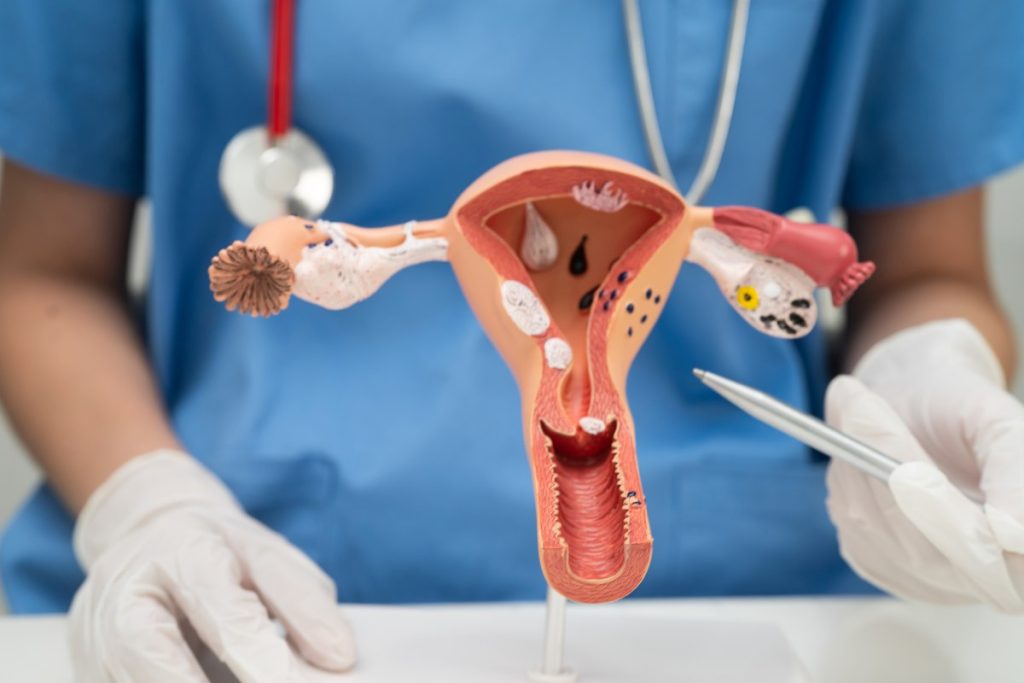
Ovarian cysts are very common and often cause no symptoms. But larger cysts, ruptured cysts, or cysts that cause ovarian torsion (where the ovary twists on itself) can produce significant lower back pain, often on one side.
Sudden, severe one-sided back or lower abdominal pain, particularly when accompanied by nausea or vomiting, warrants urgent medical attention. Ovarian torsion is a medical emergency that needs prompt treatment to preserve ovarian function.
Adenomyosis: The Underdiscussed Cause
Adenomyosis involves tissue similar to the womb lining growing into the muscular wall of the uterus. It causes a thickened, enlarged uterus that can produce heavy, painful periods and persistent lower back pain. The condition is sometimes confused with fibroids on imaging and is genuinely under-recognised in clinical practice.
Women with adenomyosis often describe a deep, aching back pain that gets significantly worse during menstruation. If this pattern fits your experience, raising adenomyosis specifically with your doctor can sometimes prompt the focused investigation that finally produces answers.
Pregnancy-Related Back Pain
If you’re pregnant, lower back pain is common and usually nothing to worry about; the combination of relaxin hormone, postural changes, and the growing uterus puts genuine stress on your back. But sudden, severe, or rhythmic back pain in pregnancy can sometimes signal preterm labour, placental issues, or other concerns. Please trust your instincts; if something feels different or wrong, contact your maternity team without delay.
When Back Pain Demands Investigation
Most lower back pain isn’t gynaecological in origin, and you shouldn’t assume the worst. But some patterns genuinely warrant deeper investigation: pain that follows your menstrual cycle, pain alongside heavy or painful periods, pain that worsens with intercourse, pain accompanied by unusual discharge or bleeding, or back pain that hasn’t responded to musculoskeletal treatment despite genuine effort.
The connection between pelvic pain and lower back pain is well-recognised in women’s health medicine, but it requires a doctor who’s willing to look at the whole picture rather than treating symptoms in isolation. If you’ve been bouncing between physiotherapy and painkillers without resolution, advocating for a gynaecological assessment is reasonable and often productive.
What Proper Assessment Looks Like
A thorough investigation usually involves taking a detailed history (including your menstrual cycle, sexual health, and pregnancy history), a physical examination, and often imaging such as ultrasound or MRI. Blood tests and sometimes laparoscopy may follow depending on what initial assessment suggests.
The goal isn’t just diagnosing the condition but understanding how it’s affecting your life and what treatment will genuinely help. Conservative management, hormonal treatments, surgery, and combined approaches all have their place depending on the specific cause and your individual circumstances.
Finding Care That Listens
We know how exhausting it can be to live with pain that hasn’t been properly explained, and we know how often women’s symptoms are minimised before being taken seriously. As a clinic providing specialist medical care for women and children, we offer the unhurried, thorough assessment that complex gynaecological symptoms deserve. If your back pain has a pattern that doesn’t fit a simple musculoskeletal explanation, please consider reaching out. You deserve answers.