
Pre-eclampsia is one of those pregnancy conditions that sits in the background of a lot of people’s awareness without being properly understood. Most pregnant women have heard the term. Fewer know exactly what it involves, why it matters, or what managing it actually looks like in practice. If you’ve been diagnosed with pre-eclampsia, or if you’re at elevated risk and trying to understand what to watch for, this is what you need to know.
What Is Pre-Eclampsia?
Pre-eclampsia is a condition specific to pregnancy, typically developing after twenty weeks of gestation, characterised by high blood pressure (hypertension) combined with signs that other organs – most commonly the kidneys, liver, or brain – are being affected. The most common accompanying sign is proteinuria: protein in the urine, which indicates the kidneys are under stress. In more severe cases, pre-eclampsia can affect liver function, cause abnormalities in blood clotting, and reduce the blood supply to the placenta, which affects the baby’s growth and wellbeing.
It affects around five to eight per cent of pregnancies in the UK. Most cases are mild and manageable with careful monitoring and blood pressure control. A smaller number of cases are severe and require expedited delivery. Pre-eclampsia does not have a cure other than delivery of the baby, which is why timing and monitoring are so central to its management.
What Are The Signs And Symptoms Of Pre-Eclampsia?
Blood pressure is the primary indicator, which is why it’s measured at every antenatal appointment. A reading of 140/90mmHg or above on two separate occasions is the threshold that typically triggers investigation.
Symptoms to be aware of include severe headaches that don’t respond to paracetamol; visual disturbances such as blurring, flashing lights, or temporary loss of vision; sudden or significant swelling of the face, hands, or feet (though some swelling is normal in pregnancy, so the quality and speed of onset matters); pain in the upper right abdomen or beneath the ribs; nausea or vomiting in the second half of pregnancy; and feeling generally unwell in a way that is difficult to attribute to normal pregnancy.
Not all of these symptoms are present in every case. Some women have significant pre-eclampsia with minimal symptoms beyond raised blood pressure detected at a routine check. This is why regular routine antenatal care is so important – the condition can develop and progress without giving obvious warning signs until it becomes severe.
Who Is At Risk Of Pre-Eclampsia?
Certain factors increase the likelihood of developing pre-eclampsia, though it’s important to understand that it can occur in women with none of these risk factors. Higher-risk groups include women having their first baby; those with a previous history of pre-eclampsia (which carries a significant risk of recurrence); women carrying multiple pregnancies; those with pre-existing high blood pressure, kidney disease, diabetes, or autoimmune conditions such as lupus or antiphospholipid syndrome; women with a family history of pre-eclampsia; and those with a BMI above 35.
For women in higher-risk groups, low-dose aspirin (75-150mg daily) started before twelve weeks of pregnancy is recommended in UK guidance as a preventative measure. This is something to discuss with your obstetrician or midwife early in the pregnancy.
How Is Pre-Eclampsia Monitored And Managed?

Management depends on severity, gestational age, and how quickly the condition is progressing. The overarching goals are to protect the mother from complications – particularly severe hypertension, seizures (eclampsia), and organ damage – while allowing the pregnancy to continue as close to term as possible for the baby’s benefit.
Blood pressure medication is the mainstay of treatment. Labetalol is the most commonly used medication in the UK during pregnancy and is considered safe for the baby. Nifedipine is used as an alternative. The aim is to keep blood pressure controlled enough to reduce the risk of maternal complications without lowering it so much that placental blood flow is compromised.
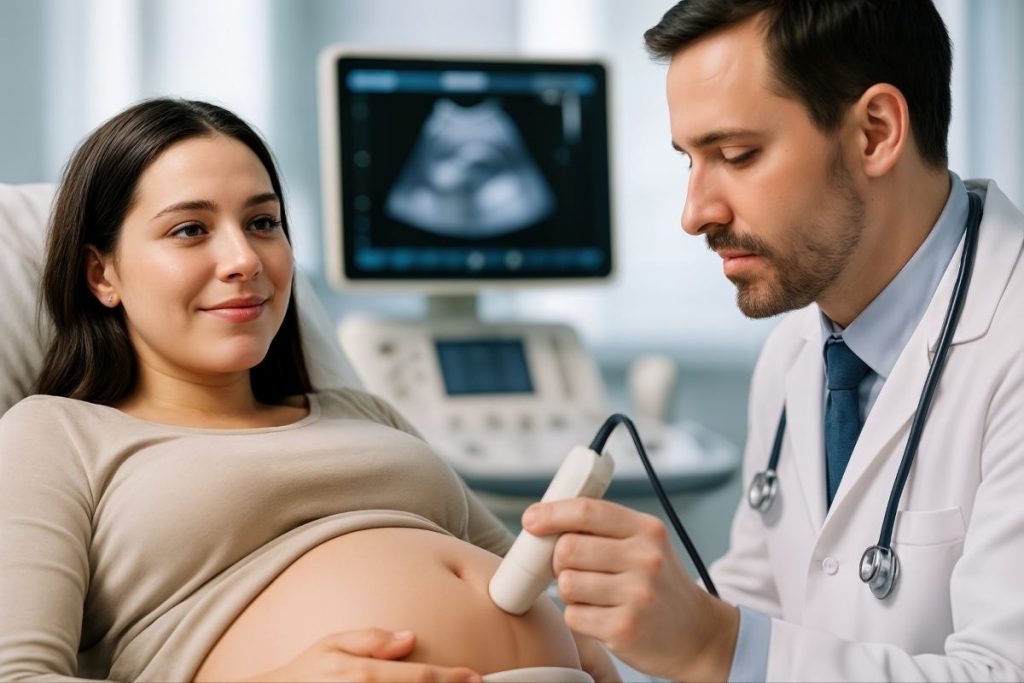
Monitoring is intensive. This typically involves regular blood pressure checks, blood tests to assess kidney and liver function and platelet count, urine tests for protein, and ultrasound scans including Doppler assessment to monitor the baby’s growth and blood flow. For women with significant pre-eclampsia, this monitoring may be inpatient or may involve very frequent outpatient review.
For mild to moderate cases remote from term, the aim is to continue the pregnancy until thirty-seven weeks, at which point delivery is typically recommended rather than waiting longer. In severe cases, or when there are signs of deterioration in either mother or baby, delivery may need to happen earlier.
What Happens After Pre-Eclampsia?
Blood pressure typically normalises within six to twelve weeks of delivery, though some women require antihypertensive medication for a period postnatally. Follow-up blood pressure checks at six to eight weeks postpartum are standard.
Women who have had pre-eclampsia have a higher long-term risk of hypertension and cardiovascular disease than those who have not, which makes ongoing monitoring of blood pressure and cardiovascular risk factors part of their longer-term healthcare picture. This is not something to be alarmed by, but it is something to be aware of and to discuss with your GP in the context of future health reviews.
For future pregnancies, the risk of recurrence depends on the severity and gestational age of the original episode. A preconception discussion with an obstetrician before becoming pregnant again allows that risk to be assessed and a monitoring plan put in place from the start.
Why Grosvenor Gardens Healthcare
Pre-eclampsia requires the kind of close, personalised monitoring that benefits enormously from a clinical team that knows your case in detail. At Grosvenor Gardens Healthcare, personalised obstetric support in London is delivered by consultant obstetricians from leading NHS teaching hospital backgrounds, with on-site diagnostics, Doppler scanning capability, and the ability to see you promptly when your situation changes.
Miss Berrin Tezcan, the clinic’s founder and lead consultant, is an obstetrician and fetal medicine specialist whose expertise in high-risk pregnancy management means that women with complex conditions receive genuinely specialist care rather than a generalised approach. If you have been diagnosed with pre-eclampsia or are at elevated risk in your current pregnancy, book a consultation at Grosvenor Gardens Healthcare and ensure your care matches the seriousness of what you’re managing.
FAQs
Can pre-eclampsia be prevented?
Not entirely, but for women at higher risk, low-dose aspirin started before twelve weeks of pregnancy is recommended by UK clinical guidelines and has been shown to reduce the risk of developing pre-eclampsia by around fifteen to twenty per cent. Women with multiple risk factors may also be offered additional monitoring from early in pregnancy. Maintaining a healthy weight before pregnancy, managing pre-existing conditions such as diabetes or hypertension, and attending all antenatal appointments are all part of a sensible preventative approach.
How quickly can pre-eclampsia progress?
It varies. Some cases develop gradually over weeks and remain mild throughout. Others can deteriorate relatively quickly, particularly in the days around delivery. This is one of the reasons that regular blood pressure monitoring and prompt reporting of symptoms is so important. If you develop a sudden severe headache, visual disturbances, or upper abdominal pain, you should seek medical assessment the same day rather than waiting for a routine appointment.
Is it safe to deliver early if pre-eclampsia becomes severe?
Yes. Early delivery is the definitive treatment for severe pre-eclampsia, and when the risks to the mother’s health outweigh the risks of prematurity for the baby, delivery is the right decision. Neonatal units in the UK are equipped to provide excellent care for babies born preterm, and the outcomes for babies delivered for maternal pre-eclampsia are generally very good. The obstetric team will help you understand the balance of risks specific to your situation.
Can I have a vaginal birth if I have pre-eclampsia?
In many cases, yes. Pre-eclampsia alone is not necessarily an indication for caesarean section. The mode of delivery depends on factors including the severity of the condition, the baby’s position and wellbeing, and how your cervix responds to induction. Your obstetrician will discuss the options with you based on your specific circumstances rather than applying a blanket rule.
What is HELLP syndrome and how does it relate to pre-eclampsia?
HELLP syndrome is a severe complication that can develop in the context of pre-eclampsia. The name is an acronym: Haemolysis (the breakdown of red blood cells), Elevated Liver enzymes, and Low Platelets. It is a serious condition requiring urgent medical management and typically delivery. It’s less common than pre-eclampsia itself, but it’s one of the reasons that blood tests monitoring liver function and platelet count are such an important part of pre-eclampsia management.