
Missing a period can cause understandable concern – especially when you’ve ruled out pregnancy. While occasional irregularity is common, a significant delay can sometimes signal that your body is responding to stress, hormonal shifts, or underlying medical conditions.
So, what’s considered a “maximum delay” in periods if not pregnant? And when is it time to see a doctor?
Let’s break down the possible causes, what they mean, and when you should seek medical advice.
How Late Can a Period Be if You’re Not Pregnant?
A typical menstrual cycle lasts between 21 and 35 days, counted from the first day of one period to the first day of the next. It’s normal for cycles to vary slightly – perhaps by a few days each month – especially during puberty, perimenopause, or after major lifestyle changes.
However, if your period is more than 7–10 days late, and pregnancy has been ruled out, it may indicate a temporary hormonal imbalance or another factor affecting ovulation.
A delay of over 45 days (or missing more than two consecutive cycles) is usually a sign to speak with a gynaecologist, as it could suggest conditions like amenorrhoea – the absence of menstruation.
1. Stress and Emotional Strain
Stress is one of the most common reasons for a delayed period that isn’t pregnancy-related.
When you’re under prolonged stress, your body releases higher levels of cortisol, the “stress hormone.” This can suppress the reproductive hormones (oestrogen and progesterone) responsible for regulating your menstrual cycle.
Common stress triggers include:
- Major life changes (workload, exams, moving, bereavement)
- Anxiety or depression
- Sleep deprivation
You might notice lighter, shorter periods – or miss one altogether. Once stress levels stabilise, your cycle often returns to normal.
What helps: Prioritise rest, balanced nutrition, and relaxation techniques such as yoga, meditation, or gentle exercise. If symptoms persist, consider speaking to a healthcare professional.
2. Significant Weight Change
Sudden or extreme changes in weight – either gain or loss – can disrupt hormonal balance and delay periods.
- Low body weight or restrictive dieting can reduce the production of gonadotropin-releasing hormone (GnRH), which controls ovulation.
- Rapid weight gain can increase oestrogen levels, also interfering with regular ovulation.
This is particularly common among athletes or individuals following strict exercise or calorie-restricted regimens.
What helps: Maintaining a healthy BMI through balanced diet and moderate exercise can help regulate your cycle again.
3. Polycystic Ovary Syndrome (PCOS)
If your period is frequently late or irregular, PCOS could be a contributing factor. It’s a common hormonal condition where the ovaries produce higher-than-normal levels of androgens (male hormones). This can prevent eggs from maturing and releasing on time.
Typical symptoms include:
- Irregular or missed periods
- Acne or oily skin
- Weight gain or difficulty losing weight
- Excess hair growth on the face or body (hirsutism)
PCOS is one of the leading causes of longer cycle gaps – sometimes extending to 45–60 days or more between periods.
What helps: A gynaecologist can confirm PCOS through blood tests and ultrasound, then recommend a tailored management plan. This may include medication, lifestyle changes, or hormonal treatments.
4. Thyroid Imbalance
Both overactive (hyperthyroidism) and underactive (hypothyroidism) thyroid glands can disrupt menstrual patterns.
The thyroid plays a key role in regulating metabolism and hormone production. When it’s not functioning correctly, it can interfere with oestrogen and progesterone balance, leading to missed or unpredictable cycles.
Symptoms to look for:
- Unexplained fatigue or weight change
- Hair thinning
- Sensitivity to heat or cold
- Mood changes
A simple blood test can check thyroid hormone levels, and medication can often restore balance – and with it, your cycle regularity.
5. Perimenopause
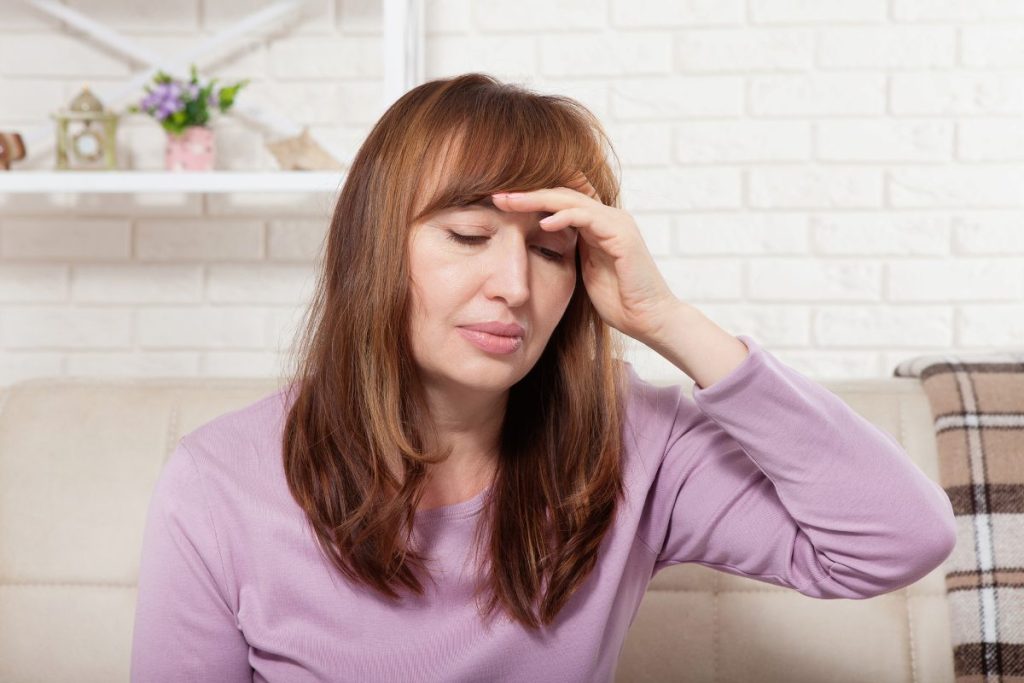
If you’re in your 40s or early 50s and notice your cycle becoming irregular, perimenopause (the transition phase before menopause) may be the cause.
During this period, oestrogen levels fluctuate significantly, sometimes leading to skipped or delayed periods. Other symptoms may include:
- Hot flushes or night sweats
- Mood swings
- Sleep disturbances
- Vaginal dryness
Perimenopause can last several years before menstruation stops completely.
What helps: A gynaecologist can advise on hormone therapy or lifestyle adjustments to ease the transition and support overall wellbeing.
6. Medications or Contraceptives
Certain medications can influence your menstrual cycle, especially hormonal contraception such as:
- Birth control pills or patches
- Hormonal IUDs
- Injectable contraceptives
These methods sometimes thin the uterine lining or suppress ovulation, leading to lighter or absent periods. Similarly, coming off hormonal birth control can temporarily delay your next cycle while your natural hormone rhythm re-establishes.
Other medications – such as antidepressants, chemotherapy drugs, or thyroid treatments – may also cause temporary irregularities.
What helps: If delays continue for more than two months after a medication change, discuss it with your healthcare provider.
7. Underlying Gynaecological or Medical Conditions
Sometimes, a delayed period can signal an underlying medical condition, such as:
- Endometriosis: where tissue similar to the uterine lining grows outside the womb, causing pain and irregular bleeding.
- Uterine fibroids: non-cancerous growths that can affect menstrual regularity.
- Chronic illnesses or sudden changes in health, which place extra stress on the body.
If a missed period accompanies severe cramps, unusual discharge, or pelvic pain, it’s important to get checked by a specialist. Our specialists supporting women’s health needs provide discreet, compassionate care to help identify and treat underlying causes effectively.
When to See a Doctor
You should seek medical advice if:
- Your period is more than 45 days late
- You’ve missed more than two cycles in a row
- Your periods are irregular for over six months
- You experience new or worsening pain, unusual bleeding, or other symptoms
Even if your cycle normalises, consistent delays may indicate your hormones need evaluation.
Can Stress or Hormonal Imbalance Be Linked to Painful Periods?
Yes – irregular cycles often go hand in hand with discomfort once your period eventually arrives. If you experience cramping or pain that affects your daily life, it may be worth reading more about the causes of severe period pain. These insights can help you recognise when period pain is part of a broader hormonal pattern.
Final Thoughts
A delayed period isn’t always cause for alarm, but it’s your body’s way of signalling that something – stress, hormones, or lifestyle – might be out of balance.
Understanding the maximum delay in periods if not pregnant helps you decide when to wait and when to act. If your cycle continues to be irregular or accompanied by other symptoms, professional evaluation is the safest way forward.
At Grosvenor Gardens Healthcare, our experienced gynaecologists provide personalised advice, diagnosis, and treatment in a supportive, confidential setting. Whether it’s hormonal testing, cycle tracking, or long-term care, we’re here to help you feel informed and in control of your health.