
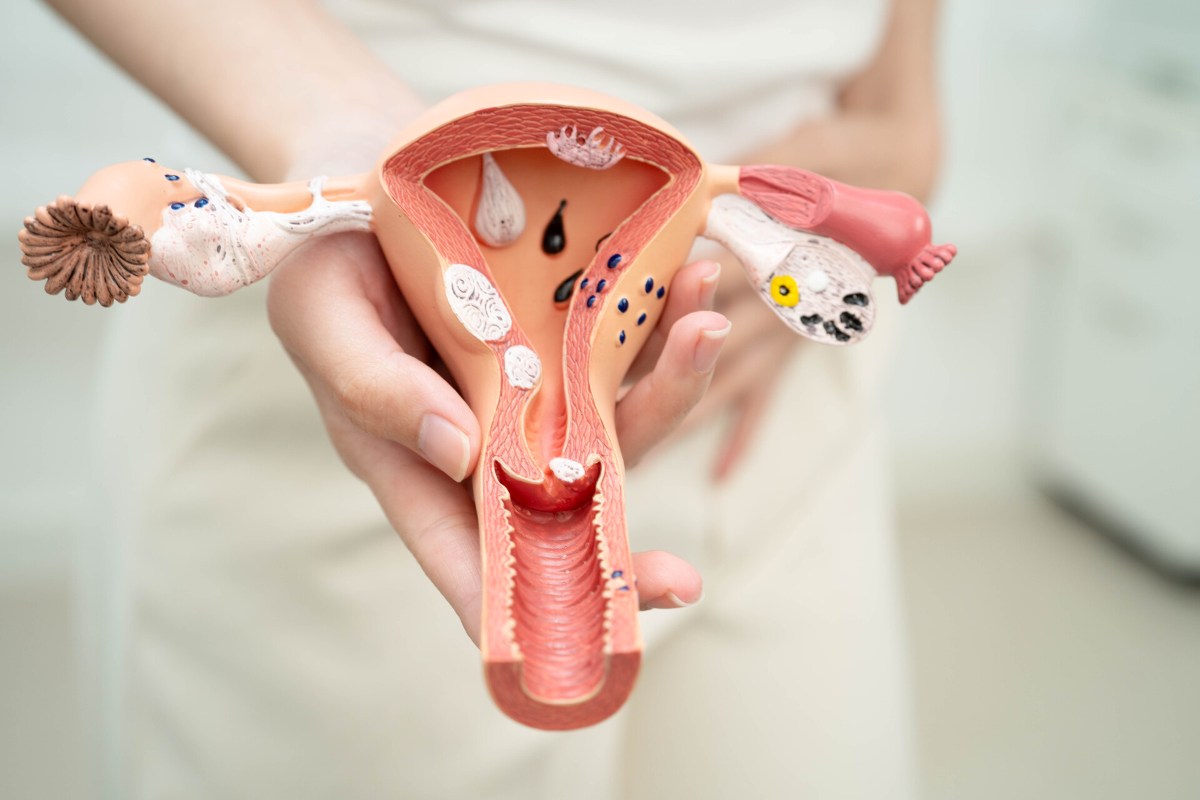
If you’ve found yourself experiencing vaginal dryness and you’re nowhere near menopause, you’re not alone, and you’re not imagining it. The conversation around vaginal dryness has been so closely tied to menopause for so long that many women feel confused, dismissed, or even embarrassed when they experience it in their twenties, thirties, or early forties. But dryness has a much wider range of causes than the cultural narrative suggests, and understanding what might be driving it is the first step toward feeling like yourself again.
Here’s what’s actually going on, and what you can do about it.
How Common Is Vaginal Dryness in Younger Women?
More common than you might think, and far more common than the silence around it suggests. Studies have consistently shown that around 17% of women between 18 and 50 experience vaginal dryness at some point, with rates climbing significantly in specific groups: postpartum women, those on hormonal contraception, women undergoing certain medical treatments, and those experiencing chronic stress.
The reason this often feels invisible is that women genuinely don’t talk about it, even with close friends. If you’ve felt isolated by this symptom, please know that the silence isn’t because it’s rare; it’s because we’ve collectively been taught not to mention it.
Hormonal Contraception and Dryness
The pill, hormonal IUDs, implants, and other forms of hormonal contraception can all cause vaginal dryness in some women. The mechanism is fairly straightforward: hormonal contraceptives alter your natural oestrogen and progesterone balance, and oestrogen is the hormone primarily responsible for maintaining vaginal moisture and tissue health.
Not every woman experiences this, and not every form of contraception affects every woman the same way. Some find that switching from a combined pill to a progestogen-only option helps; others discover that non-hormonal alternatives suit them better. If you started experiencing dryness within months of beginning a new form of contraception, that timing is worth flagging to your doctor. There are options.
Breastfeeding and Postpartum Hormonal Shifts
The postpartum period brings hormonal changes that catch many new mothers off guard. While you’re breastfeeding, your prolactin levels stay elevated and your oestrogen levels remain low, which mimics aspects of the menopausal hormonal environment. The vaginal dryness this can cause is real, sometimes pronounced, and almost universally underdiscussed in antenatal classes.
This usually resolves once breastfeeding ends and your menstrual cycle returns, but the months in between can feel long. If you’re navigating this alongside everything else new motherhood demands, please don’t suffer through it silently. Topical treatments and good-quality lubricants can make a meaningful difference, and your GP or women’s health specialist can help.
Medications That Cause Dryness
Several medication classes contribute to vaginal dryness, and many women aren’t told this when they’re prescribed them. Antihistamines (the same drying effect that helps with hayfever affects mucous membranes throughout the body, including vaginal tissues), certain antidepressants, some blood pressure medications, and chemotherapy drugs all sit on the list.
If your dryness coincided with starting a new medication, the timing isn’t a coincidence. Speak to the prescribing doctor before stopping anything; there are often alternatives or strategies to manage the side effect without discontinuing treatment that’s helping you in other ways.
Stress, Anxiety, and the Mind-Body Connection
This one rarely makes it into the standard list of causes, but it should. Chronic stress and anxiety affect cortisol levels, which in turn influence reproductive hormones. Persistent high-stress periods can genuinely reduce natural lubrication, both directly through hormonal pathways and indirectly through reduced sexual interest and arousal.
If life has been particularly demanding lately and dryness has crept in alongside everything else, the connection is worth taking seriously. Your body responds to what it’s being asked to carry, and sometimes the answer isn’t a medical treatment but addressing the underlying load.
Autoimmune Conditions
Sjögren’s syndrome is the autoimmune condition most directly associated with vaginal dryness because it specifically attacks the body’s moisture-producing glands. But other autoimmune conditions, including lupus and rheumatoid arthritis, can contribute to dryness through related inflammatory pathways.
If you’re already managing an autoimmune condition and experiencing unexplained dryness, this connection is worth raising with your specialist. If you’re experiencing dryness alongside other unexplained symptoms (dry eyes, dry mouth, joint pain, persistent fatigue), please mention all of it to your GP. The pattern can be diagnostically meaningful.
Allergies and Irritants
Sometimes the cause is closer to home than you’d expect. Scented soaps, certain laundry detergents, fabric softeners, intimate hygiene products, scented sanitary products, and even some types of toilet paper can cause irritation that presents as dryness. Latex condoms, lubricants containing glycerin or parabens, and spermicidal products are also common culprits.
The kindest thing you can do for your vaginal health is keep things simple. Plain water for washing the vulva, fragrance-free everything, cotton underwear, and avoiding douching entirely. If you’ve been using anything scented in this area, stopping for a few weeks can be revelatory.
Underlying Medical Conditions
Diabetes, thyroid disorders, and Sjögren’s syndrome all influence moisture levels in the body. Dryness that comes alongside other unusual symptoms (unexplained weight changes, persistent fatigue, temperature regulation issues) deserves investigation. The dryness might be the symptom that brings you to the doctor, but the underlying condition is what needs addressing.
This is part of why proper assessment matters. Hormonal balance and women’s health is interconnected in ways that surface-level symptom treatment can miss, and the right approach often involves looking at the bigger picture rather than just the most visible symptom.
When to Seek Help
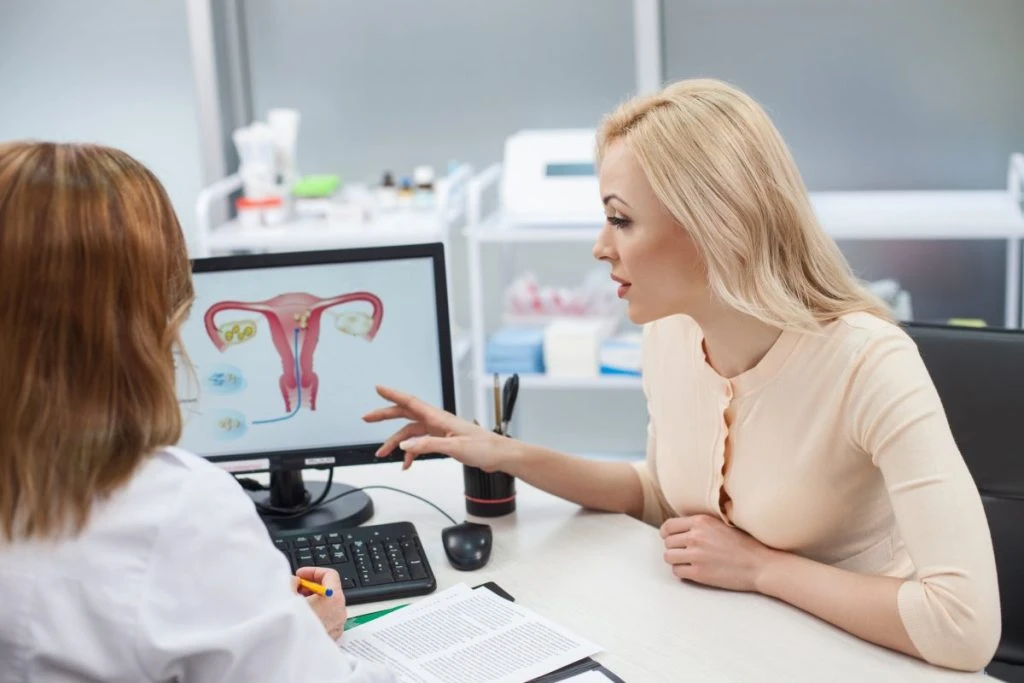
If dryness is affecting your daily comfort, your intimate relationships, or your wellbeing in any meaningful way, that’s reason enough to seek help. You don’t need to wait until the situation becomes severe, and you absolutely don’t need to feel embarrassed bringing it up. Healthcare professionals who specialise in women’s health have heard everything, and they want you to be comfortable in your own body.
Persistent dryness, dryness alongside pain, dryness with unusual discharge or bleeding, or dryness that’s affecting your relationships or mental health all warrant proper assessment.
Getting Personalised Care
We know how vulnerable it can feel to seek help with intimate health concerns, and we’re committed to consultations that feel respectful, unhurried, and genuinely useful. As a trusted healthcare clinic for women in London, we offer comprehensive assessment for vaginal dryness and the underlying causes that may be driving it, with treatment plans tailored to you rather than to a generic protocol.
If you’ve been quietly struggling with this, please consider reaching out. There are real options, and you deserve to feel comfortable.