
Finding blood on your underwear when you’re not expecting your period can be unsettling. For many women, spotting or bleeding between periods immediately raises questions: Is this normal? Could it be a sign of something serious? Should I be worried?
The truth is that bleeding between periods can happen for many different reasons. Some causes are entirely harmless and temporary, while others may require medical assessment and treatment. The important thing is understanding what might be behind the bleeding and knowing when it’s worth seeking professional advice.
If you’ve noticed unexpected spotting or bleeding outside of your usual menstrual cycle, here’s what you need to know.
What Is Spotting Between Periods?
Spotting refers to light vaginal bleeding that occurs outside of your normal menstrual period.
It is usually much lighter than a period and may appear as:
- Pink spotting
- Light red bleeding
- Brown discharge
- Small amounts of blood noticed when wiping
Some women experience spotting only once, while others may notice recurring episodes throughout their cycle.
Bleeding between periods is sometimes referred to as intermenstrual bleeding, but regardless of the terminology, any unexpected bleeding can understandably feel concerning.
Is Spotting Always a Sign of a Problem?
Not necessarily.
Many women experience occasional spotting at some point in their lives, and it is not always linked to an underlying health condition.
Factors such as hormonal fluctuations, contraception, and changes in the menstrual cycle can all contribute to temporary spotting.
However, because bleeding between periods can sometimes indicate an underlying medical issue, persistent or unexplained bleeding should not be ignored.
The context matters. Your age, medical history, contraceptive use, and accompanying symptoms all help determine whether further investigation may be needed.
Hormonal Changes and Ovulation
One of the most common causes of spotting is hormonal fluctuation.
Around the middle of the menstrual cycle, some women experience light bleeding associated with ovulation. This occurs when hormonal levels change as an egg is released from the ovary.
Ovulation spotting is usually:
- Very light
- Short-lived
- Mid-cycle
- Not accompanied by heavy bleeding
Because every woman’s cycle is different, some may experience this regularly while others never notice it at all.
Contraception and Spotting
Hormonal contraception is another frequent cause of bleeding between periods.
Spotting can occur when starting or changing:
- The contraceptive pill
- Hormonal coils (IUDs)
- Contraceptive implants
- Contraceptive injections
- Hormonal patches
Breakthrough bleeding is particularly common during the first few months as the body adjusts to hormonal changes.
In many cases, this settles naturally over time. However, persistent or troublesome bleeding should be discussed with a healthcare professional, as alternative contraceptive options may be available.
Pregnancy-Related Bleeding
Light bleeding during early pregnancy can occur for several reasons.
Some women experience implantation bleeding when a fertilised egg attaches to the lining of the uterus. This is usually lighter than a normal period and often occurs around the time a period would otherwise be expected.
However, bleeding during pregnancy should never be assumed to be harmless without appropriate assessment.
Any unexpected bleeding during pregnancy warrants medical advice, particularly if accompanied by pain, dizziness, or other symptoms.
Stress and Lifestyle Factors
The connection between stress and reproductive health is often underestimated.
Significant physical or emotional stress can affect hormone production and disrupt normal menstrual patterns.
Factors that may contribute include:
- Chronic stress
- Major life events
- Rapid weight changes
- Excessive exercise
- Sleep disruption
The menstrual cycle is closely linked to overall health, and sometimes spotting is one of the body’s ways of signalling that something is out of balance.
Infections and Cervical Changes
Certain infections can cause bleeding between periods.
Examples include:
- Sexually transmitted infections (STIs)
- Cervical infections
- Pelvic inflammatory disease
Infections may also be associated with symptoms such as:
- Unusual discharge
- Pelvic pain
- Discomfort during sex
- Pain when urinating
Changes affecting the cervix, including cervical polyps or inflammation, can also lead to unexpected bleeding.
These conditions are often treatable, but proper diagnosis is important.
Uterine Fibroids and Polyps
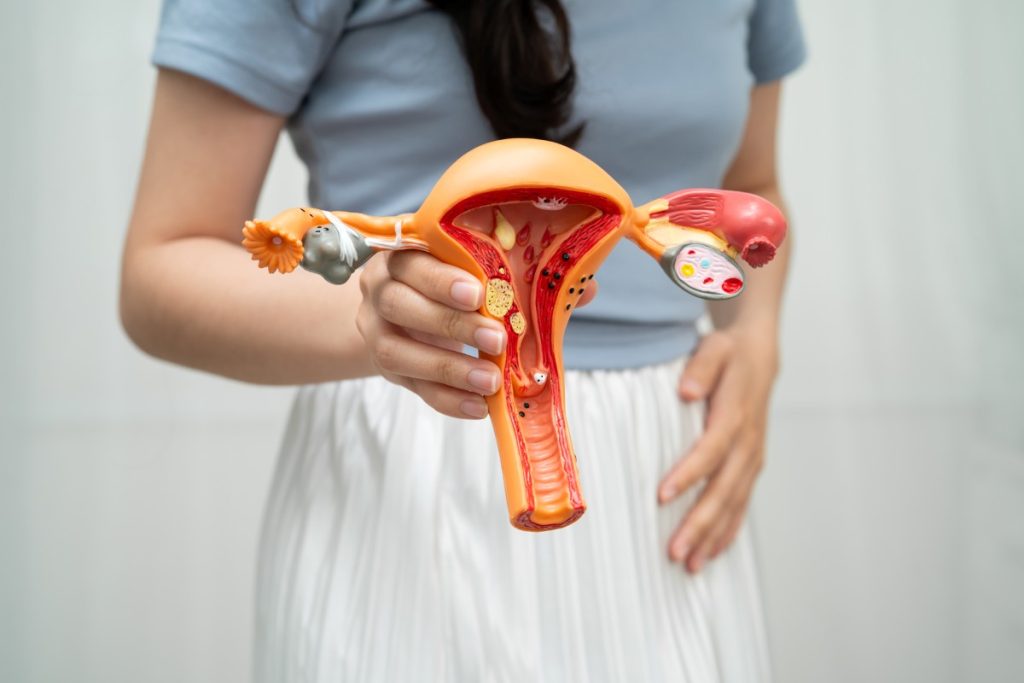
Structural changes within the uterus are another possible cause of abnormal bleeding.
Fibroids are non-cancerous growths that develop within or around the uterus. Polyps are small tissue growths that can develop within the uterine lining or cervix.
Both may contribute to:
- Heavy periods
- Irregular bleeding
- Spotting between periods
- Pelvic pressure
Not all fibroids or polyps cause symptoms, but when bleeding patterns change, they are often considered during investigation.
Perimenopause and Hormonal Transition
As women approach menopause, hormonal fluctuations can become more pronounced.
Perimenopause often causes changes to menstrual patterns, including:
- Irregular cycles
- Heavier periods
- Lighter periods
- Spotting between periods
While these changes are often a normal part of the menopausal transition, any unexpected bleeding should still be assessed to exclude other causes.
The fact that a woman is approaching menopause does not automatically explain every change in bleeding patterns.
When Should You Seek Medical Advice?
Occasional light spotting may not always require urgent assessment, but there are situations where medical advice is important.
You should speak with a healthcare professional if:
- Bleeding occurs repeatedly between periods
- Spotting persists over several cycles
- Bleeding becomes heavy
- You experience pelvic pain
- Bleeding occurs after sex
- You are pregnant
- You have gone through menopause and experience bleeding
Changes in bleeding patterns are often easier to investigate when assessed early.
How Is Bleeding Between Periods Investigated?
The first step is usually a detailed discussion about your symptoms, menstrual history, and overall health.
Depending on the circumstances, further investigations may include:
- Pelvic examination
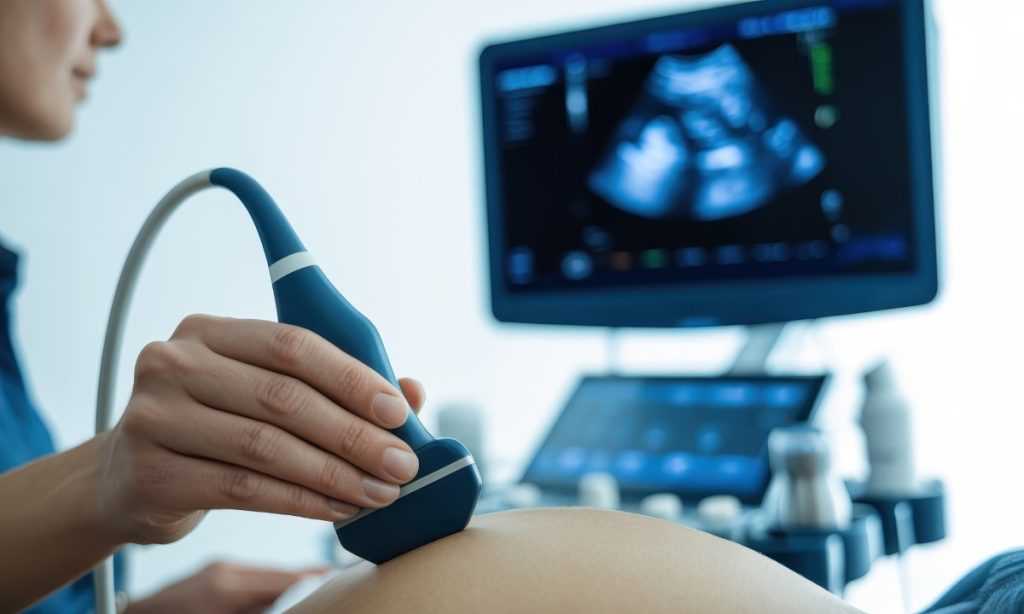
- Ultrasound scanning
- Blood tests
- Cervical screening review
- Hormone assessment
- Additional gynaecological investigations if required
The purpose is not simply to stop the bleeding but to identify the underlying cause and determine whether treatment is necessary.
For women experiencing abnormal menstrual bleeding between periods, a thorough assessment can provide reassurance and help guide appropriate management.
Why It’s Important Not to Ignore Changes
Many causes of spotting are relatively minor and easily managed. However, unexpected bleeding can occasionally indicate conditions that benefit from early diagnosis and treatment.
Seeking advice does not mean something serious is wrong. In many cases, the outcome is reassurance.
What matters most is understanding why the bleeding is happening rather than making assumptions.
Women’s health symptoms are often interconnected, and changes in menstrual patterns deserve attention, particularly when they are new, persistent, or unexplained.
Getting the Right Support
Experiencing unexpected bleeding can feel worrying, especially if it disrupts your normal cycle or leaves you uncertain about what is happening.
The good news is that most causes can be identified through appropriate assessment, and many are highly treatable once the underlying reason is understood.
If you are concerned about changes to your menstrual cycle, seeking advice from a provider offering specialist women’s healthcare in London can help you get clear answers and personalised support.
Conclusion
Spotting and bleeding between periods can occur for a wide range of reasons, from hormonal fluctuations and contraception to fibroids, infections, and changes associated with perimenopause.
While occasional light spotting is not always a cause for concern, persistent, heavy, or unexplained bleeding should be assessed by a healthcare professional. Understanding the cause is the key to effective treatment and peace of mind.
If your menstrual pattern has changed or you’re experiencing bleeding outside of your normal cycle, seeking timely medical advice can help ensure any underlying issues are identified and managed appropriately.