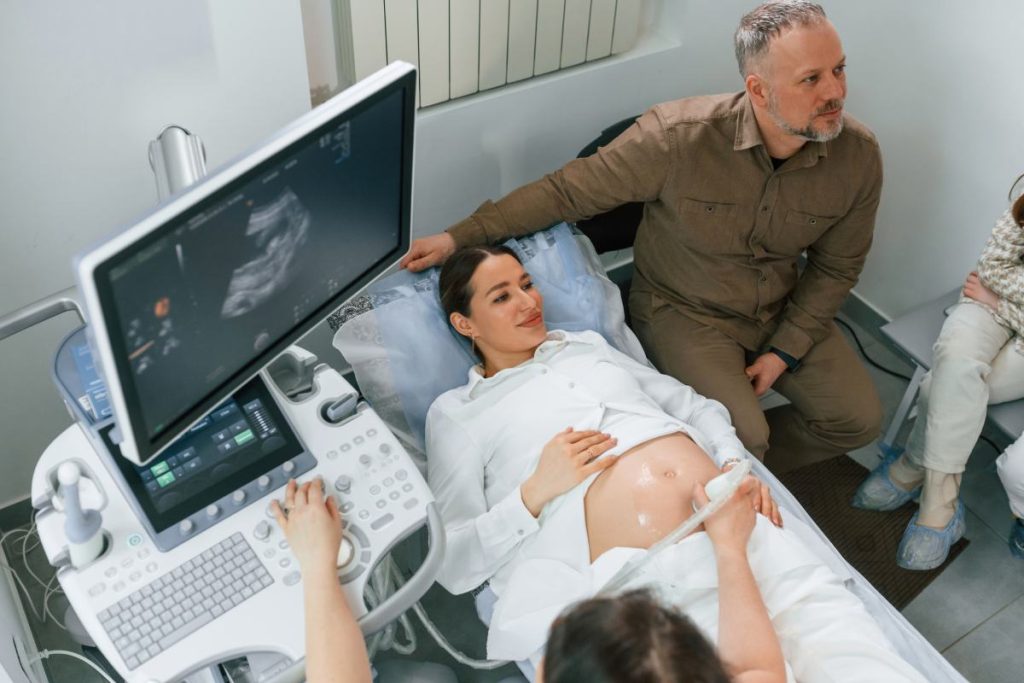


Pregnancy is an exciting and life-changing journey, but it also comes with many questions, decisions, and milestones along the way. While many pregnancies progress smoothly, every expectant mother benefits from professional medical support to help monitor her health and her baby’s development.
This is where obstetricians play an important role.
An obstetrician is a doctor who specializes in pregnancy, childbirth, and postpartum care. Their responsibility is not only to identify and manage complications but also to support healthy pregnancies, provide reassurance, and help mothers make informed decisions throughout each stage of their pregnancy.
Understanding the role of an obstetrician can help expectant parents feel more confident about the care they receive and the value of ongoing pregnancy monitoring.
What Is an Obstetrician?
An obstetrician is a medical doctor who specializes in caring for women during pregnancy, labor, delivery, and the postpartum period.
Their training focuses on:
- Pregnancy management
- Fetal development
- Maternal health
- Labor and delivery
- Pregnancy complications
- Postnatal care
Obstetricians work with women experiencing both low-risk and high-risk pregnancies, providing medical expertise throughout the entire pregnancy journey.
While many healthcare professionals contribute to maternity care, obstetricians are specifically trained to manage complex medical situations and oversee pregnancy-related healthcare.
Monitoring Maternal Health
One of the primary responsibilities of an obstetrician is monitoring the mother’s health throughout pregnancy.
Pregnancy places significant demands on the body, and regular assessments help ensure both mother and baby remain healthy.
Routine monitoring may include:
- Blood pressure checks
- Weight assessments
- Blood testing
- Urine testing
- Evaluation of pregnancy symptoms
- Screening for medical conditions
These assessments help identify potential concerns early and allow appropriate management when necessary.
Many pregnancy complications can be successfully managed when detected promptly.
Monitoring Baby’s Growth and Development
Obstetricians also play a key role in monitoring fetal development.
Throughout pregnancy, they assess whether the baby is growing appropriately and developing as expected.
This often involves reviewing:
- Ultrasound findings
- Fetal growth measurements
- Amniotic fluid levels
- Placental health
- Fetal position
- Fetal movements
Regular monitoring helps build a comprehensive picture of the pregnancy and allows any concerns to be addressed in a timely manner.
For many parents, these assessments provide reassurance that their baby is progressing well.
Identifying Pregnancy Complications
Although most pregnancies progress without major problems, complications can sometimes develop.
Obstetricians are trained to recognize and manage conditions such as:
- Gestational diabetes
- Preeclampsia
- Placental abnormalities
- Fetal growth restriction
- Preterm labor
- Multiple pregnancies
Early identification often allows treatment plans to be implemented before complications become more serious.
In some cases, additional monitoring may be recommended to ensure the safest possible outcome for both mother and baby.
Providing Personalized Pregnancy Care
Every pregnancy is unique.
Factors such as medical history, age, lifestyle, previous pregnancies, and existing health conditions can all influence pregnancy care requirements.
An obstetrician helps tailor care to the individual rather than relying on a one-size-fits-all approach.
This personalized care may involve:
- Additional scans
- Specialist referrals
- Customized monitoring schedules
- Individualized delivery planning
- Ongoing management of existing medical conditions
Personalized care can be particularly valuable for women with higher-risk pregnancies or those seeking greater continuity throughout their pregnancy journey.
Supporting Informed Decision-Making
Pregnancy often involves important decisions.
These may include choices regarding:
- Prenatal screening
- Genetic testing
- Birth plans
- Pain management options
- Delivery methods
- Postpartum care
An obstetrician provides information, guidance, and clinical expertise to help expectant parents understand their options.
The goal is not to make decisions on behalf of patients but to ensure they have the knowledge needed to make informed choices that align with their individual circumstances and preferences.
Preparing for Labor and Delivery
As the due date approaches, the obstetrician’s role becomes increasingly focused on preparing for childbirth.
This includes assessing factors such as:
- Fetal presentation
- Baby’s growth
- Maternal health
- Placental function
- Delivery risks
Together, these assessments help determine the most appropriate birth plan.
While many women go on to have uncomplicated vaginal deliveries, some pregnancies require additional planning to ensure labor and delivery are managed safely.
Having a clear understanding of the delivery process can often reduce anxiety and improve confidence as birth approaches.
Managing High-Risk Pregnancies

Some pregnancies require a higher level of medical supervision.
Factors that may increase pregnancy risk include:
- Maternal age
- Diabetes
- Hypertension
- Multiple pregnancies
- Previous pregnancy complications
- Certain medical conditions
In these situations, obstetricians play a particularly important role in coordinating care and monitoring both mother and baby closely.
Additional appointments, imaging studies, and specialist assessments may be recommended depending on the specific circumstances.
The aim is to reduce risks and support the healthiest possible pregnancy outcome.
Providing Postpartum Care
The obstetrician’s role does not end once the baby is born.
Postpartum care focuses on supporting recovery and identifying any issues that may arise after delivery.
Areas of assessment may include:
- Physical recovery
- Healing after childbirth
- Blood pressure monitoring
- Emotional wellbeing
- Breastfeeding concerns
- Postpartum complications
The weeks following birth are a significant period of adjustment, and ongoing medical support can be an important part of the recovery process.
The Benefits of Continuity of Care
Many women value having a consistent healthcare professional involved throughout pregnancy.
Continuity of care allows the obstetrician to develop a deeper understanding of the pregnancy and any evolving concerns.
This often leads to:
- More personalized care
- Better communication
- Increased confidence
- Greater reassurance
- Consistent clinical oversight
Women interested in learning more about the benefits of having a private obstetrician throughout pregnancy often appreciate the additional continuity and accessibility that this model of care can provide.
Why Professional Pregnancy Monitoring Matters
Pregnancy is a dynamic process, and conditions can change throughout each trimester.
Regular obstetric care helps ensure that both maternal and fetal wellbeing are monitored appropriately from conception through delivery.
Professional oversight allows healthcare providers to:
- Track pregnancy progress
- Identify concerns early
- Respond to complications promptly
- Provide reassurance
- Support informed decision-making
This ongoing assessment helps create the safest possible environment for both mother and baby.
Choosing the Right Pregnancy Support
Feeling supported during pregnancy can make a significant difference to the overall experience.
In addition to medical expertise, many expectant parents value having access to clear communication, continuity of care, and opportunities to ask questions throughout their pregnancy journey.
Those seeking expert support throughout pregnancy often benefit from a collaborative approach that prioritizes both maternal wellbeing and fetal health at every stage.
Conclusion
Obstetricians play a vital role in supporting healthy pregnancies by monitoring maternal health, assessing fetal development, identifying complications, and guiding expectant parents through important decisions.
From the earliest stages of pregnancy through delivery and postpartum recovery, their expertise helps ensure that mothers receive the care, monitoring, and support they need. Whether managing a routine pregnancy or a more complex situation, obstetricians provide an essential foundation for safe, informed, and confident pregnancy care.