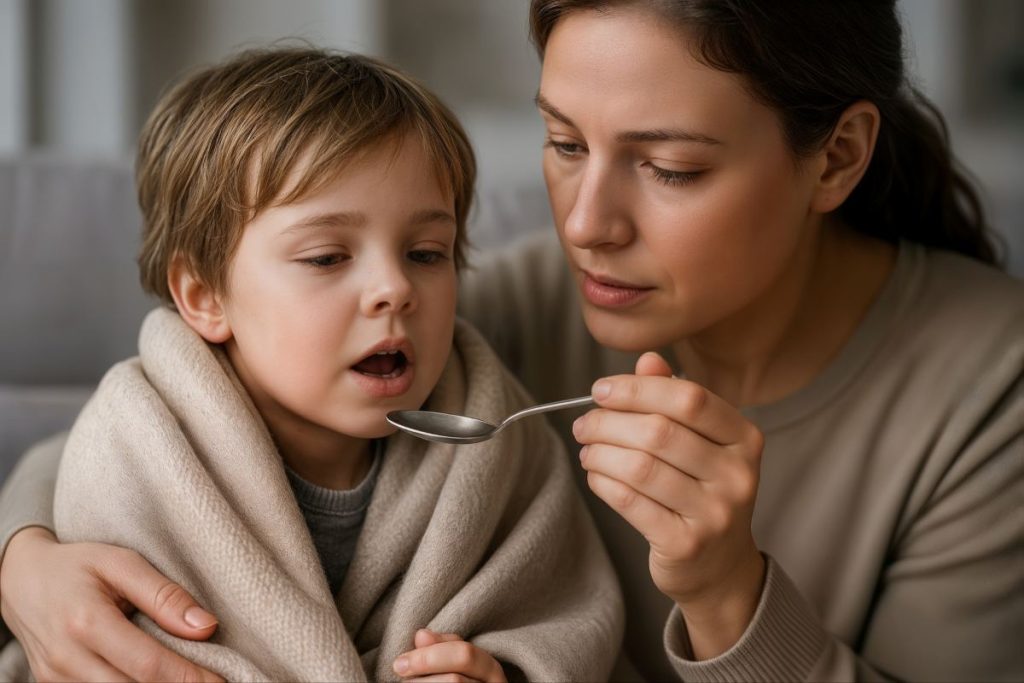


Most parents expect their child to develop a fever occasionally. Viral infections, ear infections, and seasonal illnesses are a normal part of childhood, particularly during the early years when the immune system is still developing.
However, when fevers keep returning, many parents begin to wonder whether something more may be going on. Recurrent fevers can be concerning, especially when they seem to occur frequently, have no obvious cause, or are accompanied by other symptoms.
The good news is that repeated fevers are often linked to common childhood conditions. However, because recurrent fevers can occasionally signal an underlying medical issue, it is important to understand what may be causing them and when further evaluation may be beneficial.
What Is a Recurrent Fever?
A recurrent fever is generally defined as multiple episodes of fever that occur over a period of time, with the child returning to their normal state of health between episodes.
These fevers may:
- Occur at irregular intervals
- Follow a predictable pattern
- Last for several days at a time
- Be accompanied by other symptoms
- Resolve completely before returning
The exact definition varies depending on the clinical situation, but recurrent fevers typically involve repeated episodes rather than a single prolonged illness.
Why Do Children Develop Recurrent Fevers?
Children are exposed to a wide range of viruses and infections, particularly when they attend daycare, preschool, or school.
In some cases, what appears to be a recurring fever is actually a series of separate infections occurring close together.
Young children can experience multiple viral illnesses each year, especially during the colder months.
However, repeated fevers may also occur due to other medical conditions that require further assessment.
Common Viral Infections
The most common explanation for recurrent fevers is repeated exposure to viral infections.
Children frequently encounter viruses that can cause:
- Colds
- Influenza
- Respiratory infections
- Stomach bugs
- Hand, foot, and mouth disease
Because immunity develops gradually over time, young children may seem to catch one illness after another.
Parents often feel frustrated when a child appears to recover fully only to develop another fever a few weeks later.
In many cases, this pattern reflects normal immune system development rather than an underlying problem.
Recurrent Bacterial Infections
Some children experience repeated bacterial infections that can trigger recurrent fevers.
Examples include:
- Ear infections
- Tonsillitis
- Sinus infections
- Urinary tract infections
- Pneumonia
If a child experiences multiple infections affecting the same area of the body, healthcare providers may investigate whether there is an underlying factor contributing to the pattern.
Identifying and treating the root cause can help reduce the likelihood of future episodes.
Periodic Fever Syndromes
In some cases, recurrent fevers occur as part of a group of conditions known as periodic fever syndromes.
These conditions are less common than routine infections but may be considered when fevers follow a predictable pattern.
One example is PFAPA syndrome, which stands for:
- Periodic Fever
- Aphthous stomatitis
- Pharyngitis
- Adenitis
Children with PFAPA often experience repeated episodes of fever accompanied by sore throat, mouth ulcers, or swollen lymph nodes.
Between episodes, they are usually completely well.
Because symptoms can resemble common infections, diagnosis may take time.
Autoimmune and Inflammatory Conditions
Certain autoimmune or inflammatory disorders can cause recurring fevers.
Although these conditions are relatively uncommon in children, they may be considered when fevers occur alongside symptoms such as:
- Joint pain
- Rashes
- Fatigue
- Weight loss
- Persistent inflammation
A thorough evaluation helps determine whether additional investigations are needed.
Most children with recurrent fevers do not have an autoimmune condition, but it is important to consider the full clinical picture.
Symptoms That May Accompany Recurrent Fevers
The significance of a recurrent fever often depends on the symptoms that occur alongside it.
Additional symptoms may include:
- Sore throat
- Cough
- Runny nose
- Swollen glands
- Headaches
- Mouth ulcers
- Abdominal pain
- Rash
- Fatigue
Tracking these symptoms can provide useful information when discussing your child’s health with a healthcare provider.
Patterns often help guide diagnosis.
When Should Parents Be Concerned?
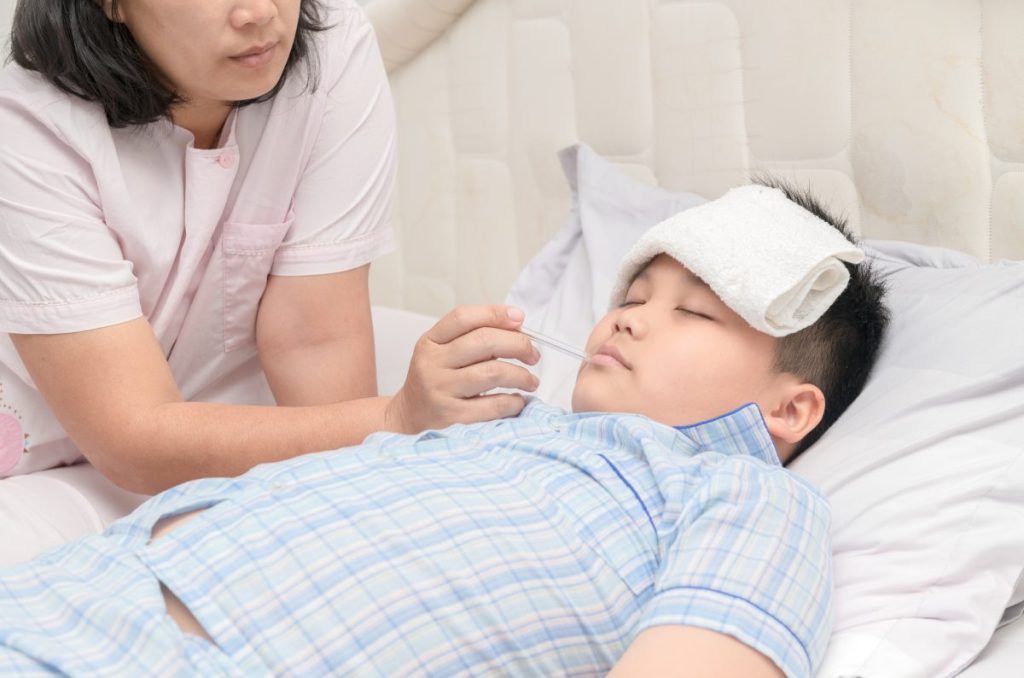
Many recurrent fevers are caused by common childhood illnesses and resolve without long-term consequences.
However, medical advice should be sought if:
- Fevers occur very frequently
- Episodes are becoming more severe
- The child appears unwell between fevers
- There is unexplained weight loss
- Symptoms persist for an extended period
- Additional concerning symptoms develop
- The cause remains unclear
Trusting your instincts as a parent is important. If something does not feel right, it is reasonable to seek professional guidance.
How Are Recurrent Fevers Investigated?
The first step is usually a detailed medical history.
Healthcare providers will often ask questions about:
- The timing of fever episodes
- Duration of symptoms
- Associated symptoms
- Family medical history
- Growth and development
- Previous illnesses
Parents may find it helpful to keep a symptom diary documenting:
- Temperature readings
- Dates of fever episodes
- Other symptoms
- Treatments given
- Recovery periods
Depending on the findings, further evaluation may include blood tests, urine testing, imaging studies, or referral to a specialist.
Treatment for Recurrent Fevers
Treatment depends entirely on the underlying cause.
For recurrent infections, management may focus on treating the infection itself and reducing future risk.
For inflammatory or periodic fever conditions, treatment strategies may differ and could involve specialist care.
In the meantime, supportive care often includes:
- Maintaining hydration
- Encouraging rest
- Monitoring symptoms
- Using fever-reducing medications when appropriate
- Following medical advice regarding ongoing care
The goal is not simply to lower the fever but to identify and address the reason it keeps occurring.
The Importance of Accurate Diagnosis
Because recurrent fevers can have many different causes, obtaining an accurate diagnosis is important.
Some children require little more than reassurance that frequent viral infections are part of normal childhood development. Others may benefit from further investigation to identify a specific condition.
Understanding the difference helps ensure that children receive appropriate care without unnecessary worry or testing.
Parents interested in learning more about common childhood illnesses that can cause repeated fevers may find that understanding the most likely causes provides valuable reassurance while helping them recognize when further medical evaluation is appropriate.
Supporting Your Child Through Recurrent Illness
Repeated episodes of illness can be exhausting for both children and parents.
In addition to managing symptoms, it is important to focus on:
- Adequate nutrition
- Good hydration
- Consistent sleep routines
- Regular medical follow-up
- Emotional reassurance
Most children recover fully from recurrent illnesses and continue to grow and develop normally.
Having a trusted healthcare professional available for guidance can make the process less stressful for the whole family.
Conclusion
Recurrent fevers in children are common and are often linked to repeated viral infections, particularly during the early years of life. However, recurring fevers can sometimes indicate bacterial infections, periodic fever syndromes, or other underlying conditions that may require further investigation.
Understanding the pattern of symptoms, seeking medical advice when appropriate, and maintaining clear communication with healthcare providers are important steps toward identifying the cause.
Families seeking comprehensive children’s health services can benefit from expert assessment, personalized care, and support in understanding recurrent fevers and their underlying causes, helping parents make informed decisions about their child’s health and wellbeing.