

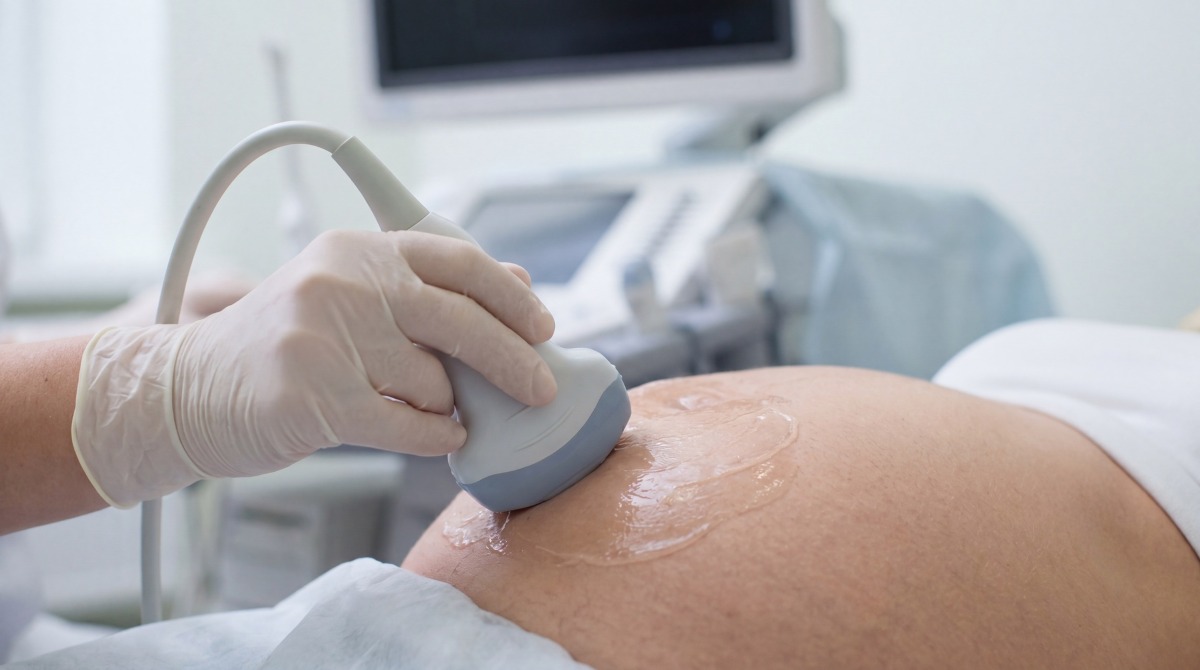
When you’re trying to navigate pregnancy ultrasound options, the array of choices can feel overwhelming. Dating scans, viability scans, anomaly scans, growth scans, wellbeing scans, gender scans, 3D and 4D imaging; the terminology blurs together quickly, and it’s hard to know what you actually need versus what’s simply being offered. If you’ve found yourself confused about which scan fits your situation, that confusion is completely understandable, and you deserve a clearer guide.
Here’s how to think it through.
What’s the Difference Between NHS and Private Ultrasound Scans?
In the UK, NHS antenatal care includes two routine ultrasound scans for most pregnancies: a dating scan around 11 to 14 weeks (which often includes nuchal translucency screening) and a detailed anomaly scan around 18 to 21 weeks. These are excellent diagnostic tools, and for many women, they’re sufficient.
Private scans exist alongside NHS provision rather than replacing it. They can offer earlier reassurance, additional scans between or after the routine NHS appointments, longer appointment times, more detailed imaging, and the ability to bring family members along in ways NHS protocols don’t always accommodate.
The decision between NHS-only and combined NHS and private care isn’t about quality (NHS sonographers are highly trained); it’s about what level of monitoring and reassurance suits your specific situation and preferences.
Early Pregnancy Scans
If you’re in early pregnancy and want reassurance before the standard NHS dating scan, an early pregnancy scan (sometimes called a viability or reassurance scan) can be performed from around six to ten weeks. This scan confirms the pregnancy is in the uterus (ruling out ectopic pregnancy), checks for a heartbeat, and can detect multiple pregnancies.
Early scans are often particularly meaningful for women who’ve experienced previous miscarriages, fertility difficulties, or anxiety in early pregnancy. The reassurance of seeing a heartbeat at seven or eight weeks, well before the NHS dating scan, can transform the early weeks of pregnancy emotionally.
These scans are usually transvaginal in very early pregnancy (because the embryo is too small to image clearly through the abdomen) and transabdominal slightly later. Neither approach is harmful to your pregnancy.
Dating Scans
A dating scan, performed between 11 and 14 weeks, establishes accurate gestational age, confirms a single or multiple pregnancy, and can identify some early structural concerns. When combined with the nuchal translucency measurement and blood markers, it forms part of combined screening for chromosomal conditions like Down’s syndrome.
If you’re booking privately for a dating scan, look for a clinic that offers comprehensive screening rather than just a dating measurement. The diagnostic value of this window in pregnancy is significant when used properly.
The 20-Week Anomaly Scan
The 18 to 21 week scan (commonly called the anomaly scan or mid-pregnancy scan) is the most detailed structural assessment in standard pregnancy care. It examines the baby’s brain, heart, spine, kidneys, limbs, abdominal wall, and other major structures, looking for any indication of structural anomalies.
This scan takes considerable time when done properly, often 30 to 45 minutes, because each system needs careful examination. If you’re considering a private anomaly scan in addition to or instead of the NHS one, ask about the experience of the sonographer specifically; this scan more than any other depends on the operator’s skill.
Growth and Wellbeing Scans
After the anomaly scan, NHS pregnancy care typically doesn’t include further routine ultrasounds unless concerns arise. For pregnancies progressing normally, this is appropriate; ultrasound isn’t necessary every few weeks just because it’s available.
But there are situations where additional growth scans add genuine value: previous fetal growth restriction, maternal medical conditions like high blood pressure or diabetes, reduced fetal movements, twin or triplet pregnancies, and pregnancies after age 40. A growth scan typically measures the baby’s head, abdomen, and femur to estimate weight and check growth is on track, while also assessing the placenta and amniotic fluid.
If you’ve had a previous pregnancy with complications, or if your current pregnancy has factors that warrant closer monitoring, growth and wellbeing scans through pregnancy can provide both clinical information and meaningful reassurance.
What About 3D and 4D Scans?

3D and 4D scans aren’t primarily diagnostic; they’re bonding scans designed to give parents a more lifelike view of their baby. 3D imaging produces still images with depth and surface detail; 4D imaging adds movement, so you might see your baby yawning, stretching, or sucking their thumb.
These scans are typically done between 26 and 32 weeks, when the baby has enough fat to show clear features but isn’t yet too crowded in the womb. They’re a beautiful experience for many parents, but they should be understood as supplementary to (not a replacement for) the diagnostic scans your pregnancy needs.
Why Reassurance Matters
Why ultrasound scans are important goes beyond clinical diagnosis. The emotional value of seeing your baby and being told everything is progressing well is significant, particularly during pregnancies marked by anxiety, previous loss, or medical complexity. Pregnancy is a profoundly emotional time, and the reassurance scans provide is part of their genuine value.
That said, if anxiety is driving frequent scan-seeking, please mention this to your midwife or doctor. Sometimes the underlying anxiety needs addressing alongside the practical question of how often to scan.
How to Choose a Provider
If you’re booking private scans, the choice of provider matters more than the marketing might suggest. Look for clinics with experienced sonographers (ideally with formal qualifications and significant pregnancy ultrasound experience), modern equipment, clear protocols for what happens if something concerning is identified, and the ability to communicate findings with your NHS team if needed.
Ask specifically how the clinic handles unexpected findings. A scan that identifies something concerning is only useful if you’re then supported through the next steps clearly and compassionately, with appropriate referral pathways in place.
Questions Worth Asking
Before booking any scan, consider asking: what specifically is included, who performs the scan and what are their qualifications, how long is the appointment, what happens if something unexpected is found, and how will any findings be communicated?
The answers will tell you a lot about whether the clinic is right for you. The cheapest scan isn’t always the best value, and the most expensive isn’t automatically the best either.
Care That Centres on You
We know that pregnancy is a deeply personal experience and that scan appointments can carry significant emotional weight, whether they’re routine or driven by concern. We provide accurate ultrasound diagnostics for pregnancy with experienced sonographers, unhurried appointments, and the kind of attentive care that pregnancy genuinely deserves.
If you’re trying to work out which scan fits your situation, please reach out. We’re happy to talk through your specific circumstances rather than push you toward a package that might not be right for you.